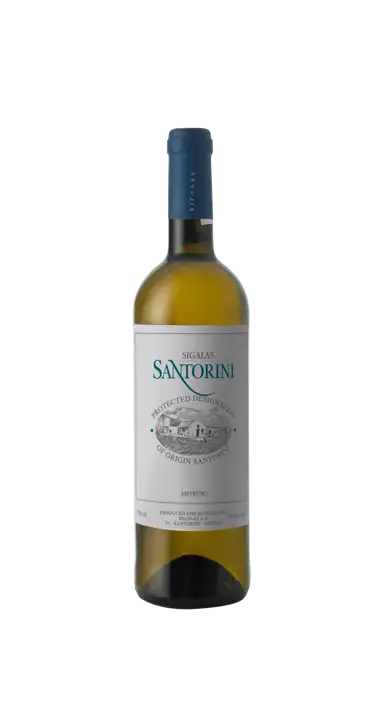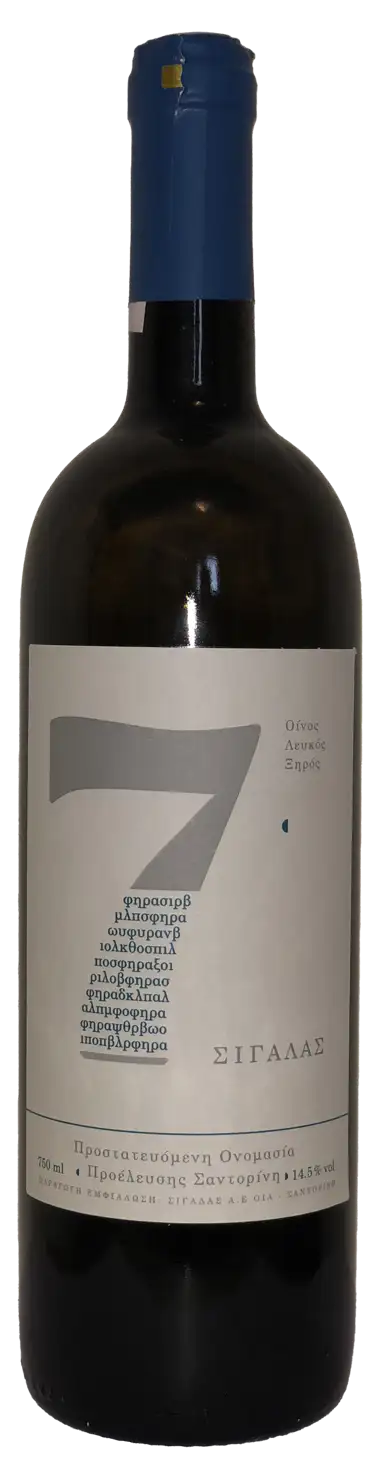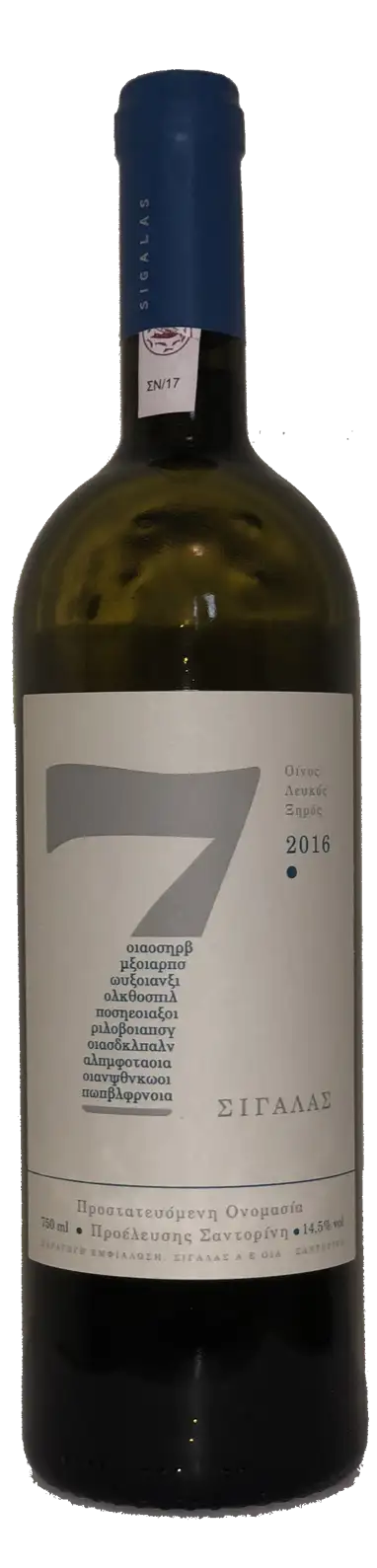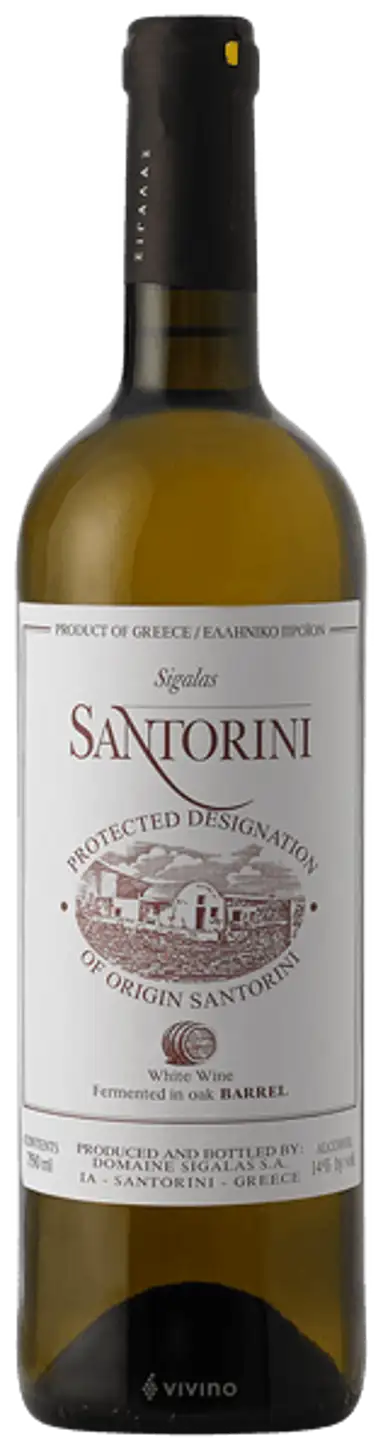
Sigalas
Mastering Assyrtiko
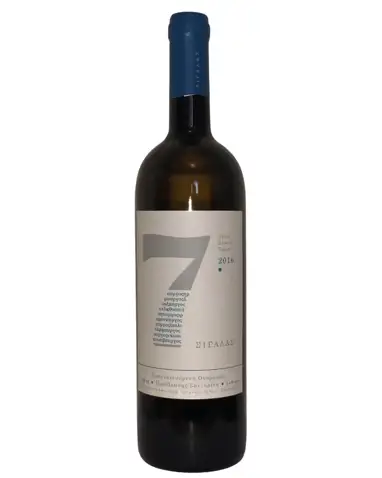
When it comes to Assyrtiko, Domaine Sigalas remains the grape's master—but the story is no longer only about where it began. Founder Paris Sigalas spent more than three decades proving Assyrtiko's range, turning an overlooked variety into one of the world's most sought-after whites and showing that Santorini's terroir could shine through nearly any vinification technique. That foundation is now the starting point for something new: in November 2025, Kir-Yianni acquired a majority stake in the estate, pairing Sigalas's singular fruit with fresh investment, a new generation of talent, and a clear plan for what comes next.
A One of One Terroir
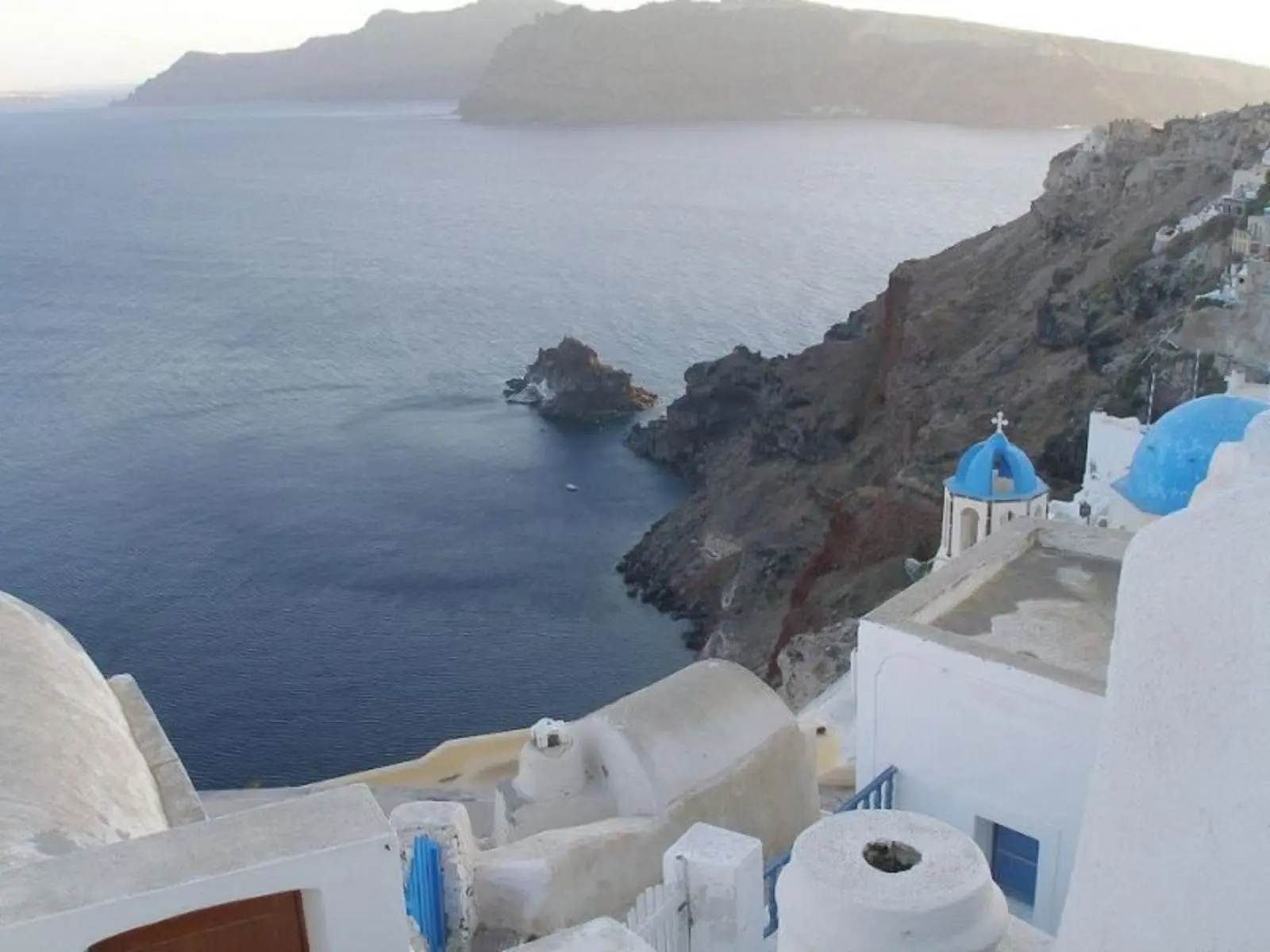
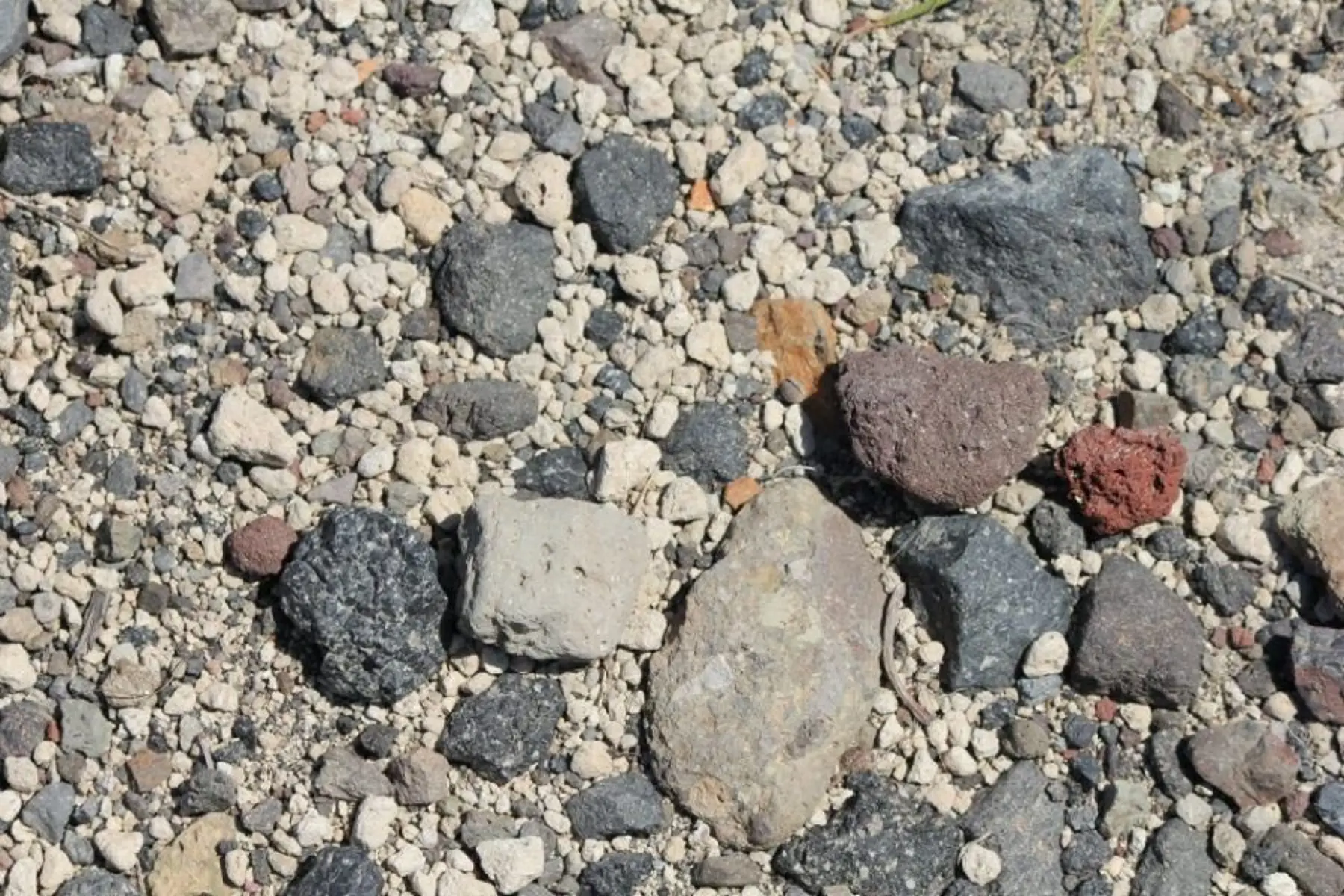
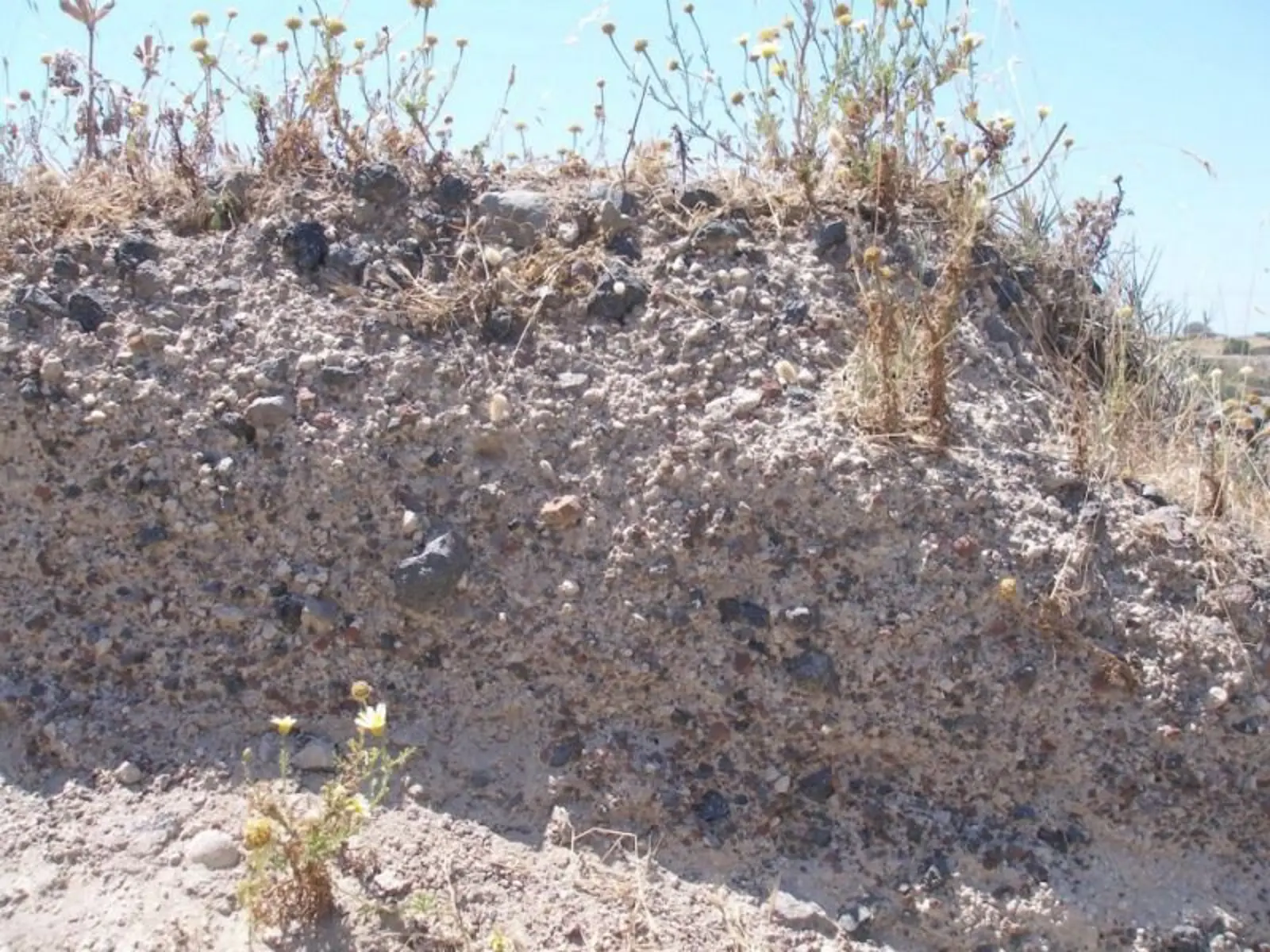
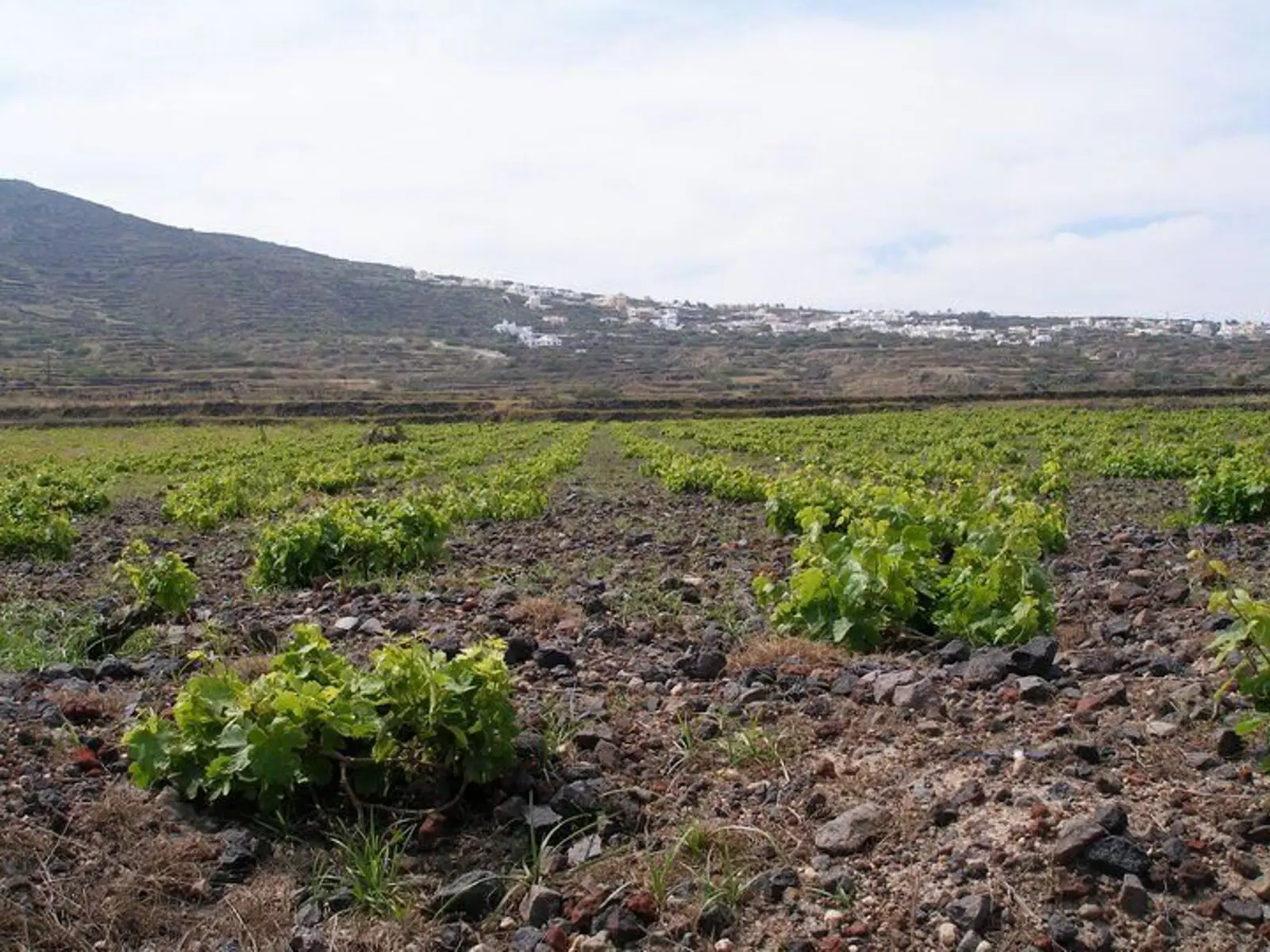
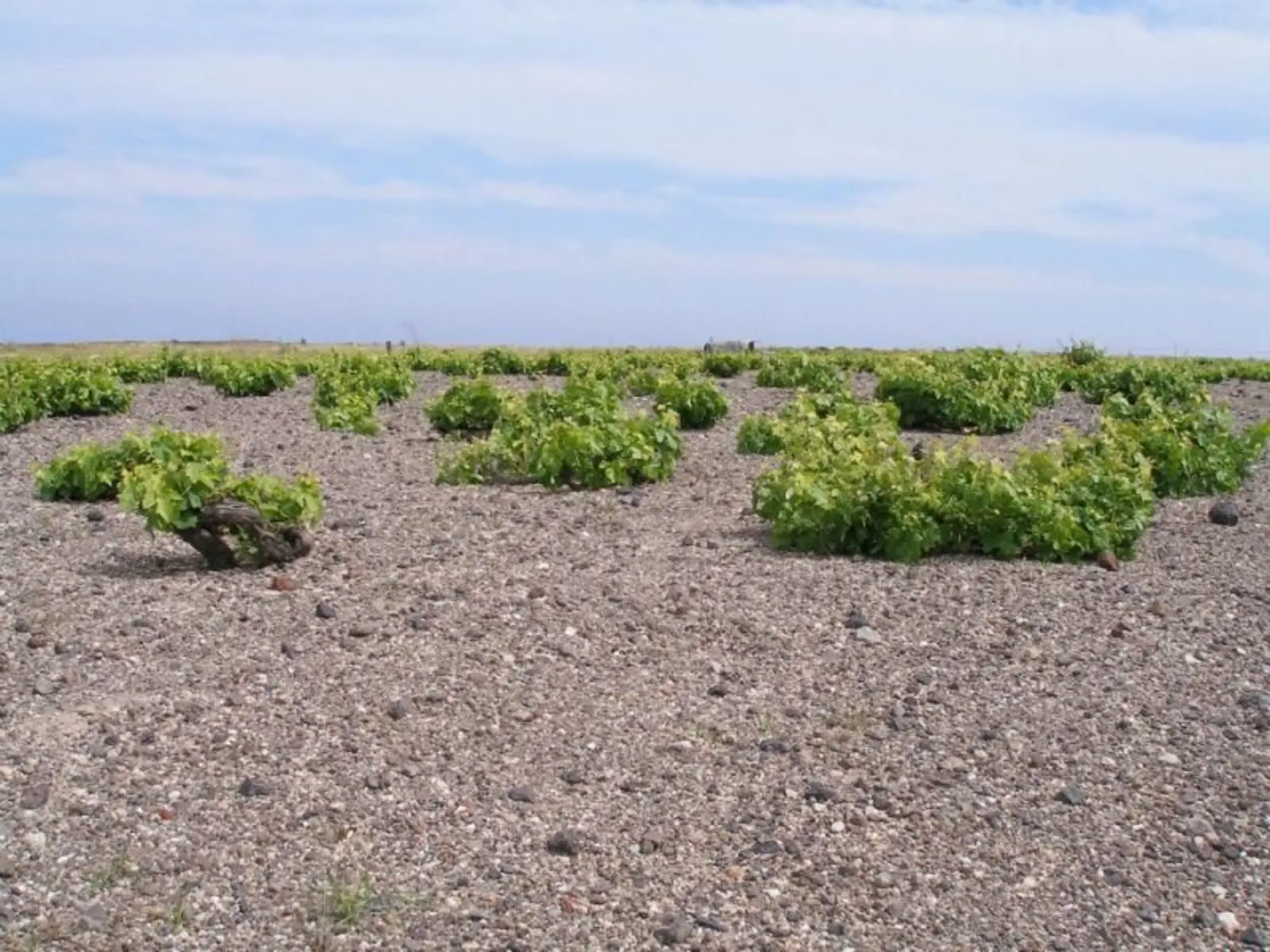
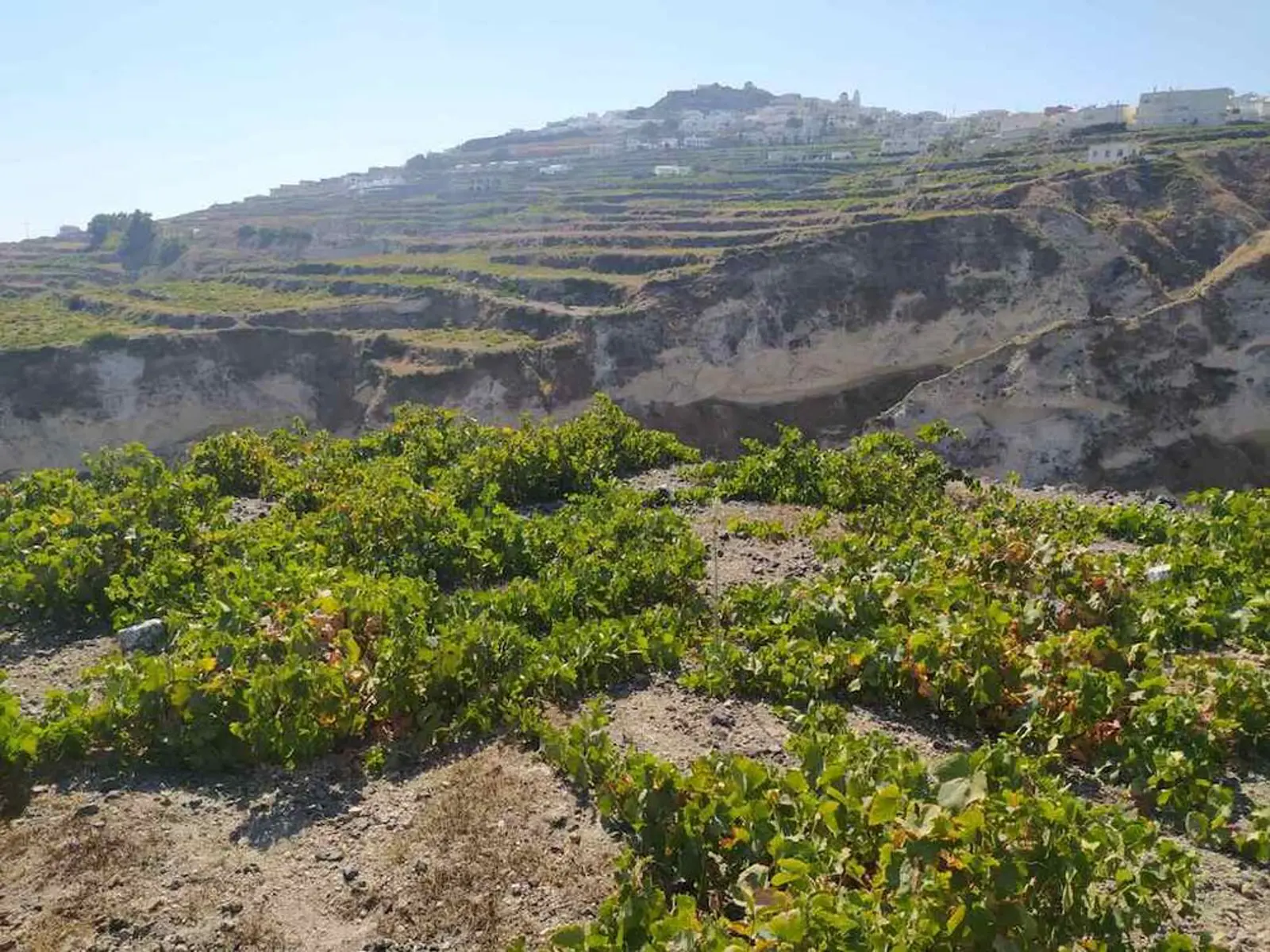
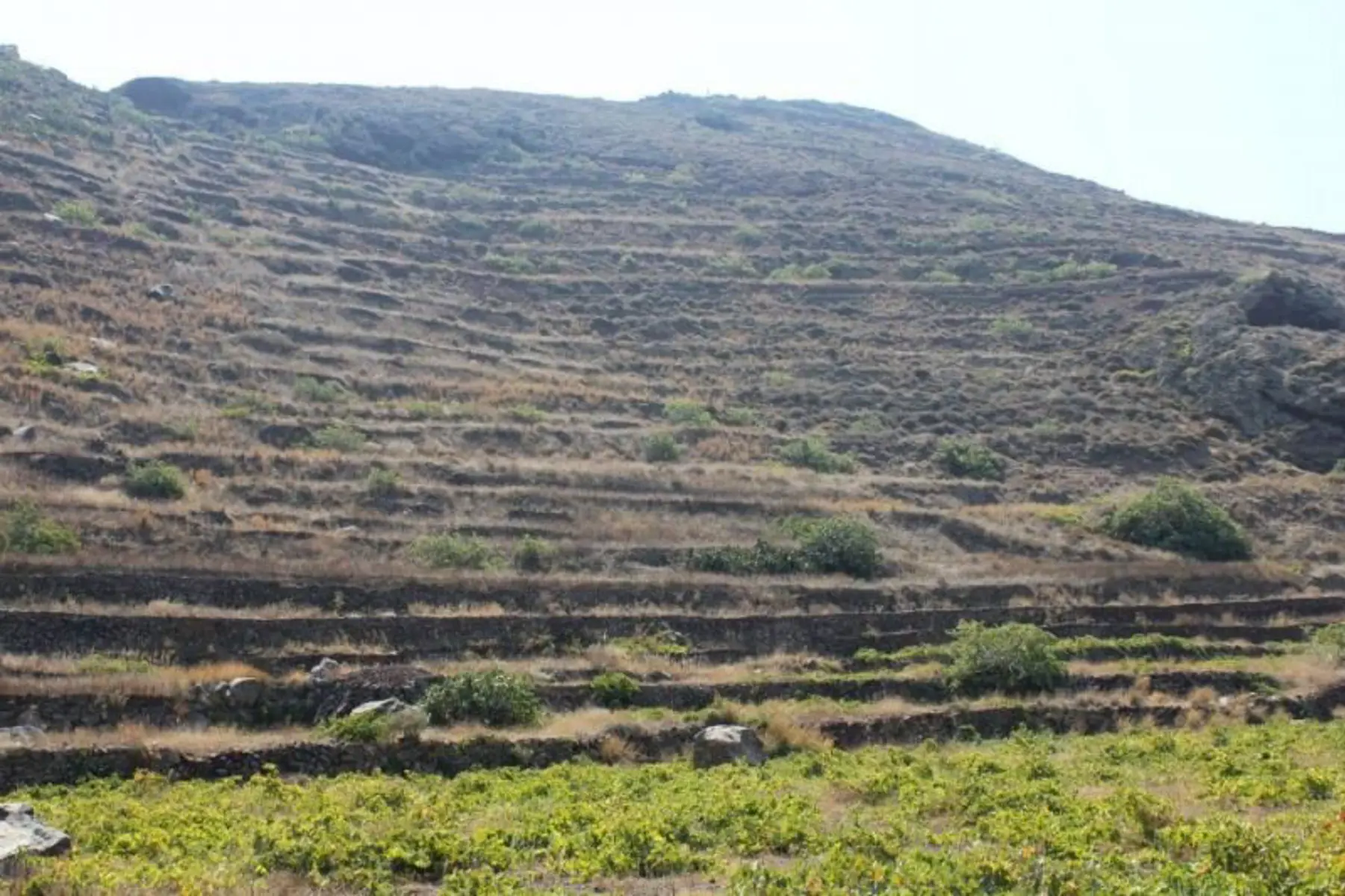
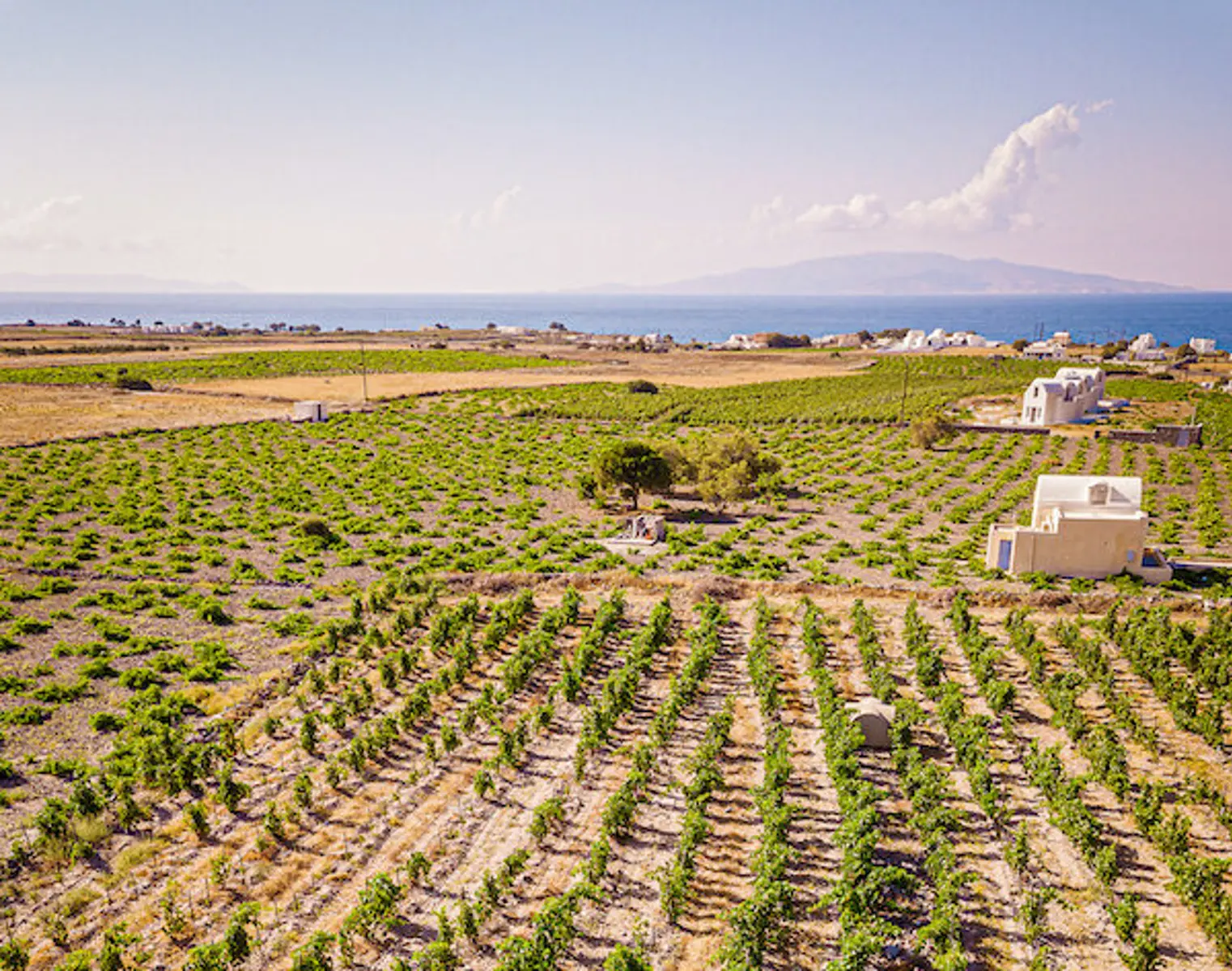
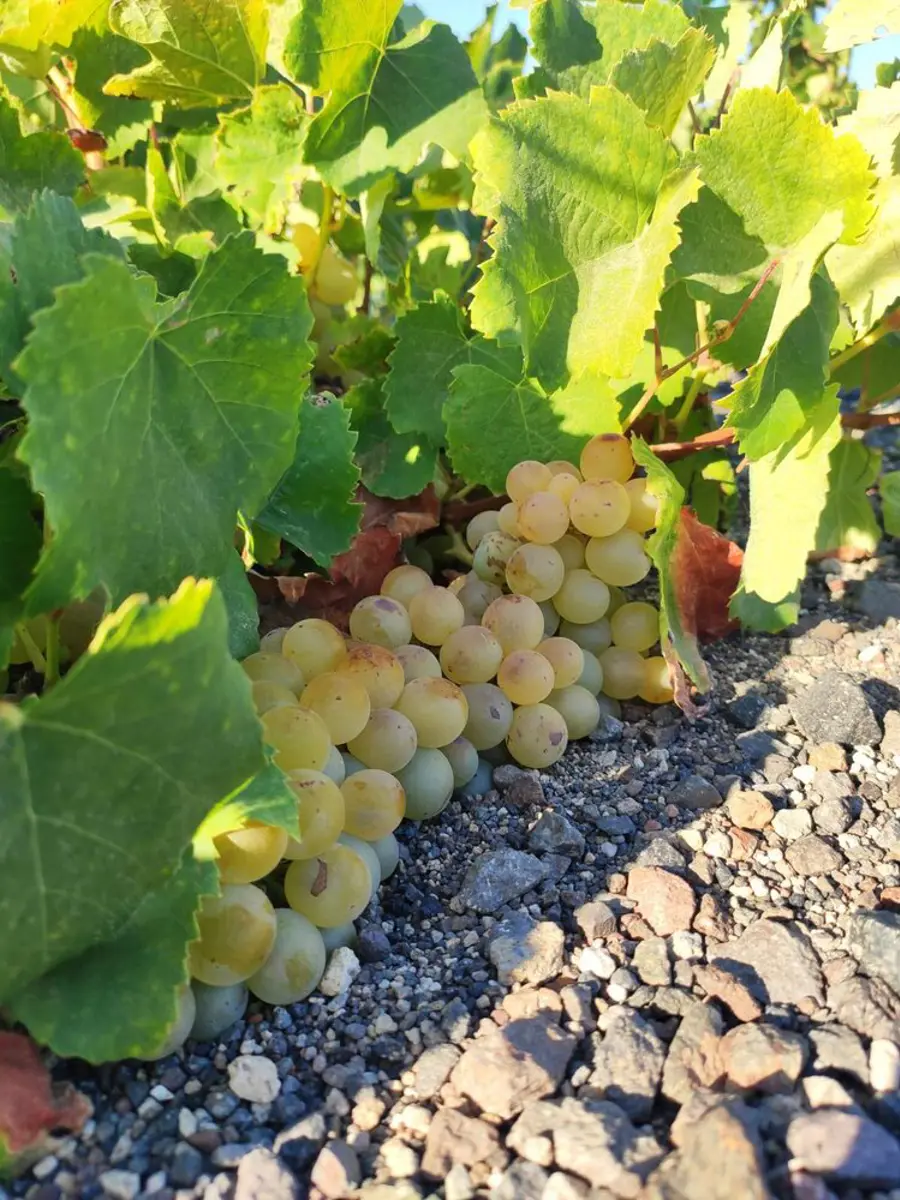
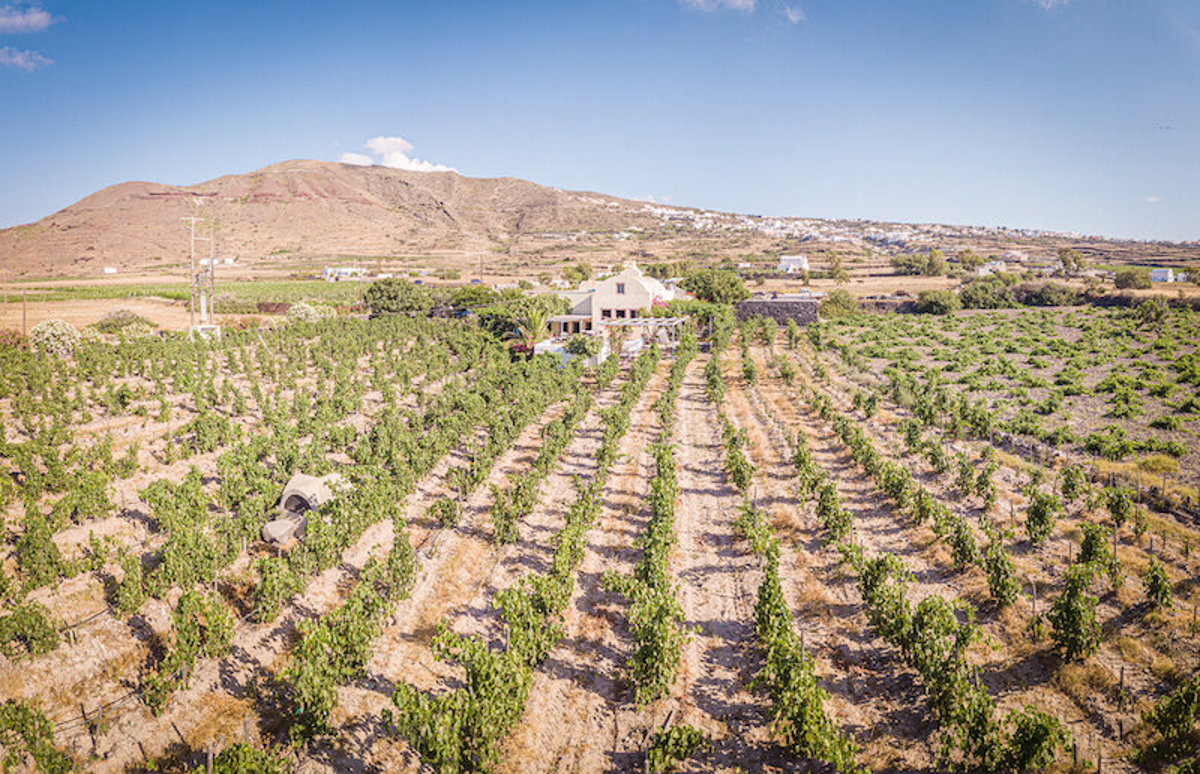
Domaine Sigalas is located in Oia on Santorini's north end. Here, Assyrtiko thrives alongside the Aidani, Athiri, and Mandilaria varieties, as well as Mavrotragano, a red grape native to the island. Sigalas's fruit is grown in what are considered the oldest continuously cultivated vineyards in the world, farmed for more than 3,000 years, in volcanic soil formed by a catastrophic eruption in 1630 BC. That mix of stone, ash, lava rock, and sand - combined with Santorini's heat and relentless winds - produces wines of striking acidity and precision.
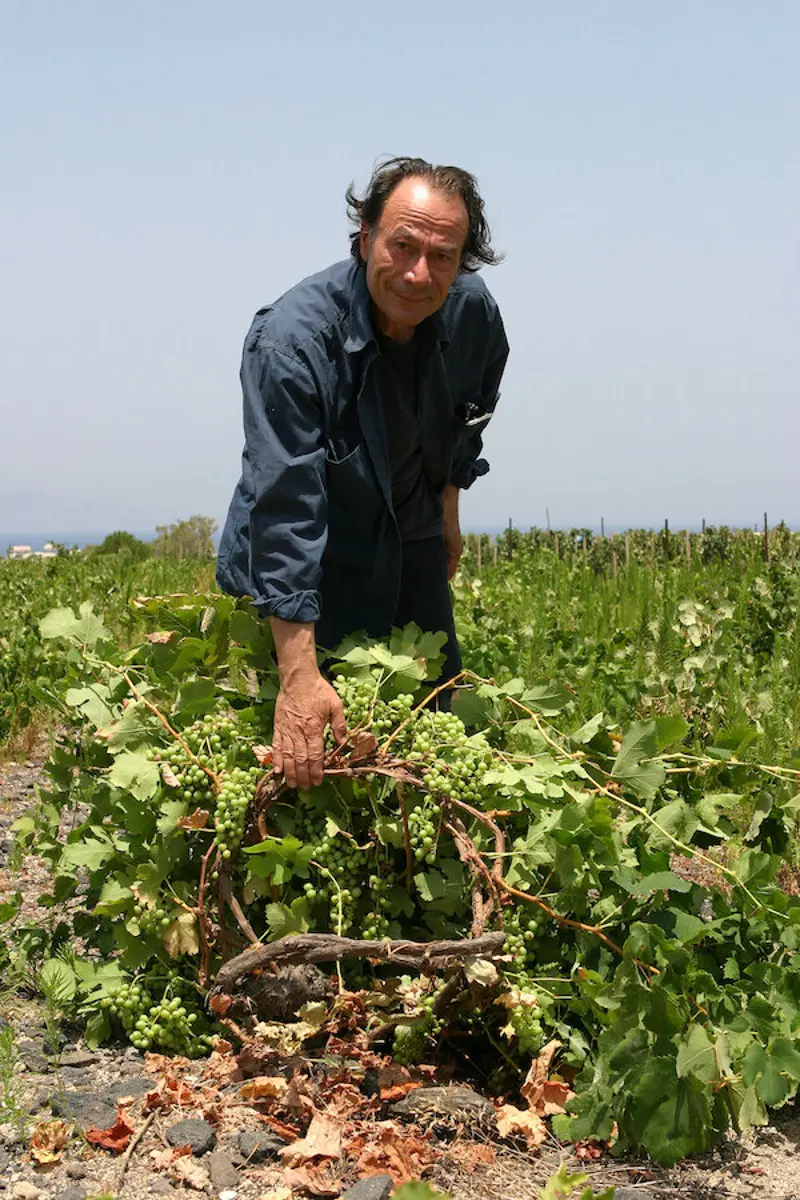
Organic farming has been at Sigalas's core since 1994, built on the belief that great wine starts in the vineyard, not the winery. That philosophy is harder to practice at scale across Santorini as a whole: most of the island's fruit still comes from small, independent growers, many holding just a few stremmata each, and decades of underinvestment have left plenty of those parcels without proper pruning, renewal, or care. When three straight years of drought and hail hit, those neglected vines had the least capacity to withstand it.
Sigalas's answer has been to take on more of that responsibility directly. Its phylloxera-immune vines have already proven resilient in the island's punishing, near-anhydrous conditions, an advantage that only grows more valuable as the climate shifts. Under the leadership of Stelios and Yiannis Boutaris, the estate has made a concerted push to increase its own holdings, expanding to 45 hectares, including 17 hectares of new plantings, so it can apply the same organic standards and climate investment across more of Santorini's vineyards rather than depend on growers who often lack the resources to keep pace.
The Next Generation of Sigalas
That long-term thinking starts at the top. Stellios Boutaris, Winemaker and CEO of Kir-Yianni, has deep roots on Santorini of his own - he made his first harvest on the island back in 1985. "The acquisition of Domaine Sigalas is the strongest vote of confidence in the vineyard and the wines of Santorini," he said of the deal, describing an approach built on "respect to traditions and commitment to science and innovation."
That philosophy is already visible in who's running the estate day to day. Stellios's son, Yiannis Boutaris, represents the family's sixth generation of winemakers and recently began his career at Domaine Sigalas, putting the estate's future quite literally in the next generation's hands. Alongside him, oenologist Sara Iakovidou leads Sigalas's winemaking team; she joined the estate under Paris Sigalas himself and has carried that hands-on, experimental approach. Together with agronomists Kostas Tellis and Stratos Guillame Xirafis, they make up the young, technically minded team now shaping how Sigalas organically and sustainably farms and makes wine that honors its roots but looks toward the future.
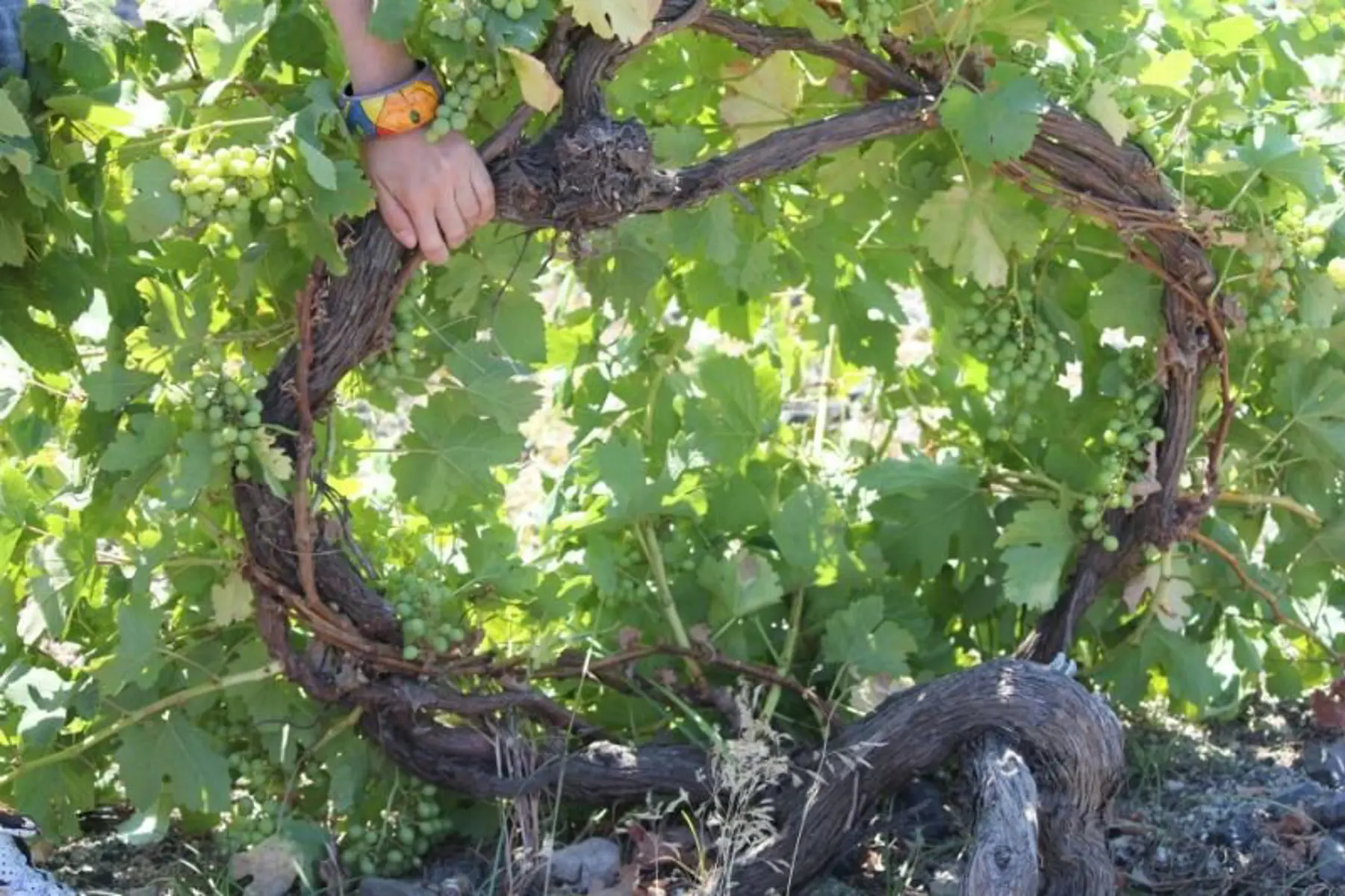
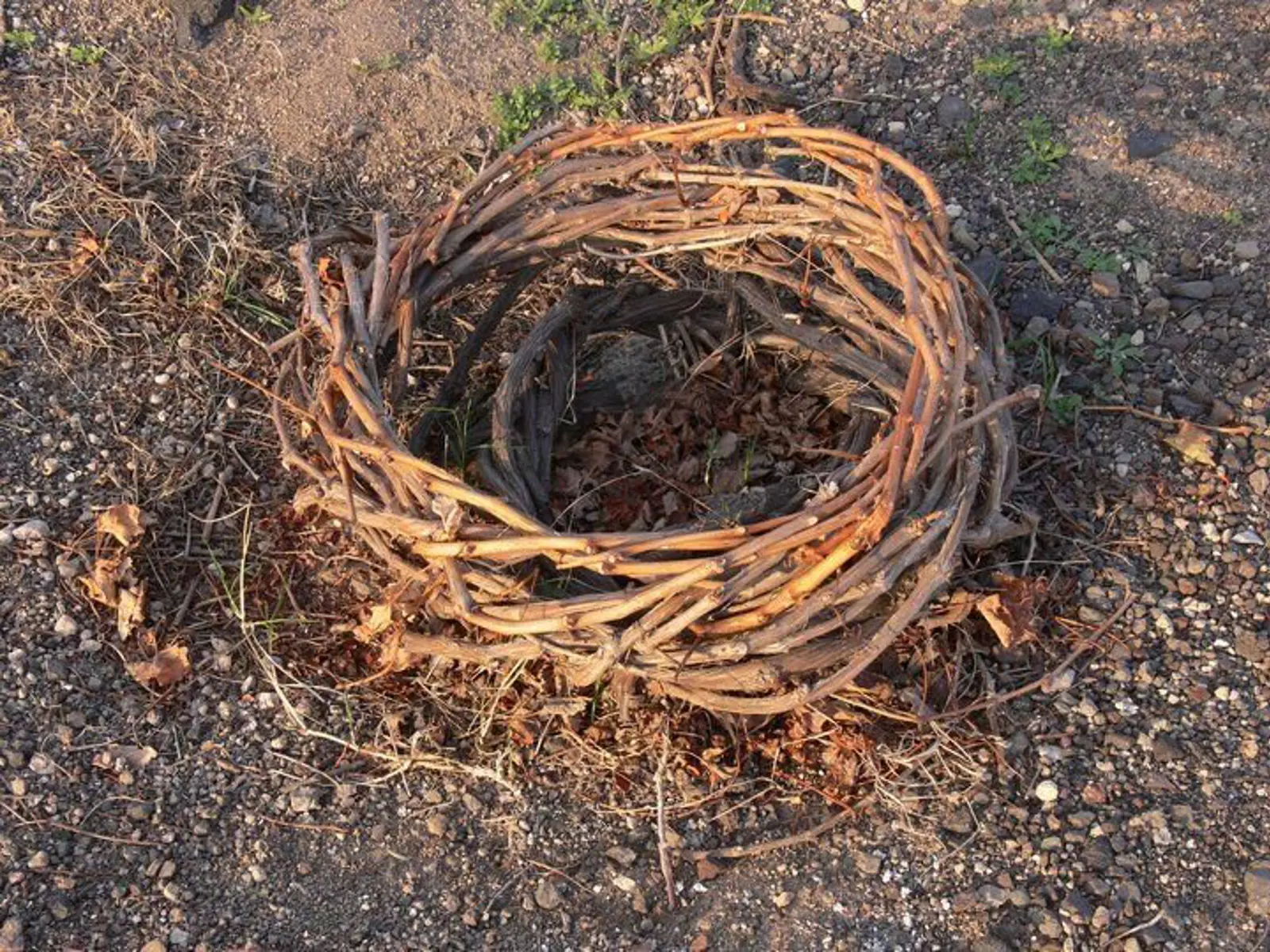
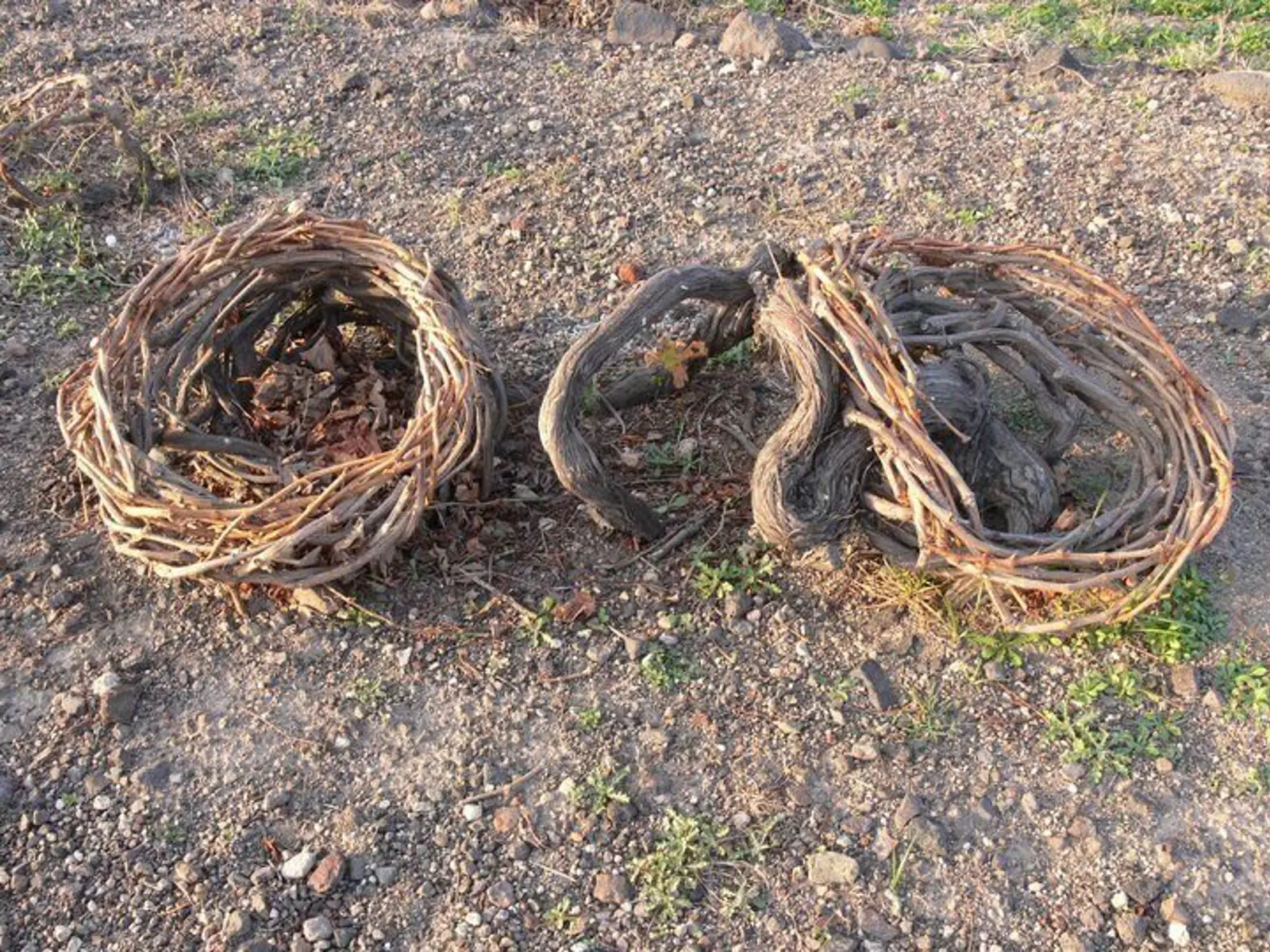
Right now, that team's real work is protecting Santorini's ability to keep making wine at all. After three straight years of drought, Sigalas is testing new training and trellising systems including planting vines in rows instead of the traditional scattered, basket-trained kouloura, to make irrigation and vineyard management possible as the island gets hotter and drier. That sits alongside the grey-water reuse pilot with Aristotle University and early trials of atmospheric water harvesting, which pulls moisture from the air using solar-heated hydrogels. "We are not abandoning tradition," Yiannis Boutaris said of the approach. "We are adapting the vineyard to the new circumstances." Sigalas is also the only estate sitting on the Santorini Winemakers Association's climate change committee, pushing the island's growers toward the same kind of collective response. For an estate built on 3,000 years of history, the next chapter is about making sure there's a 3,001st.
"Sigalas is one of Greece's finest white wine producers – in fact, a short list candidate for the best. This producer is universally acclaimed for his skill with Assyrtiko of all types. He is simply a master with this grape." Robert E. Parker's The Wine Advocate
84702 Oia Santorini, Greece
Visit their website.
Gallery