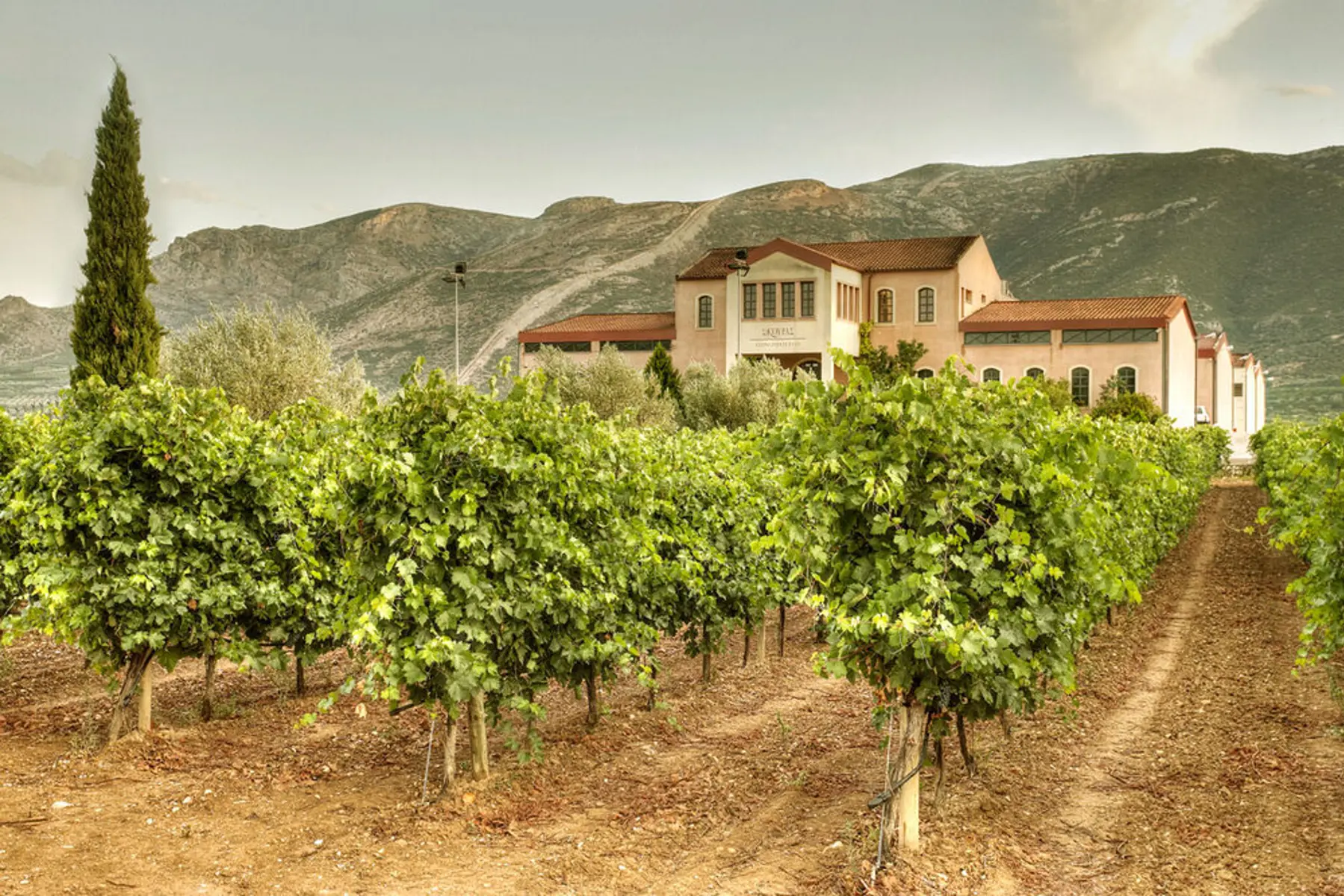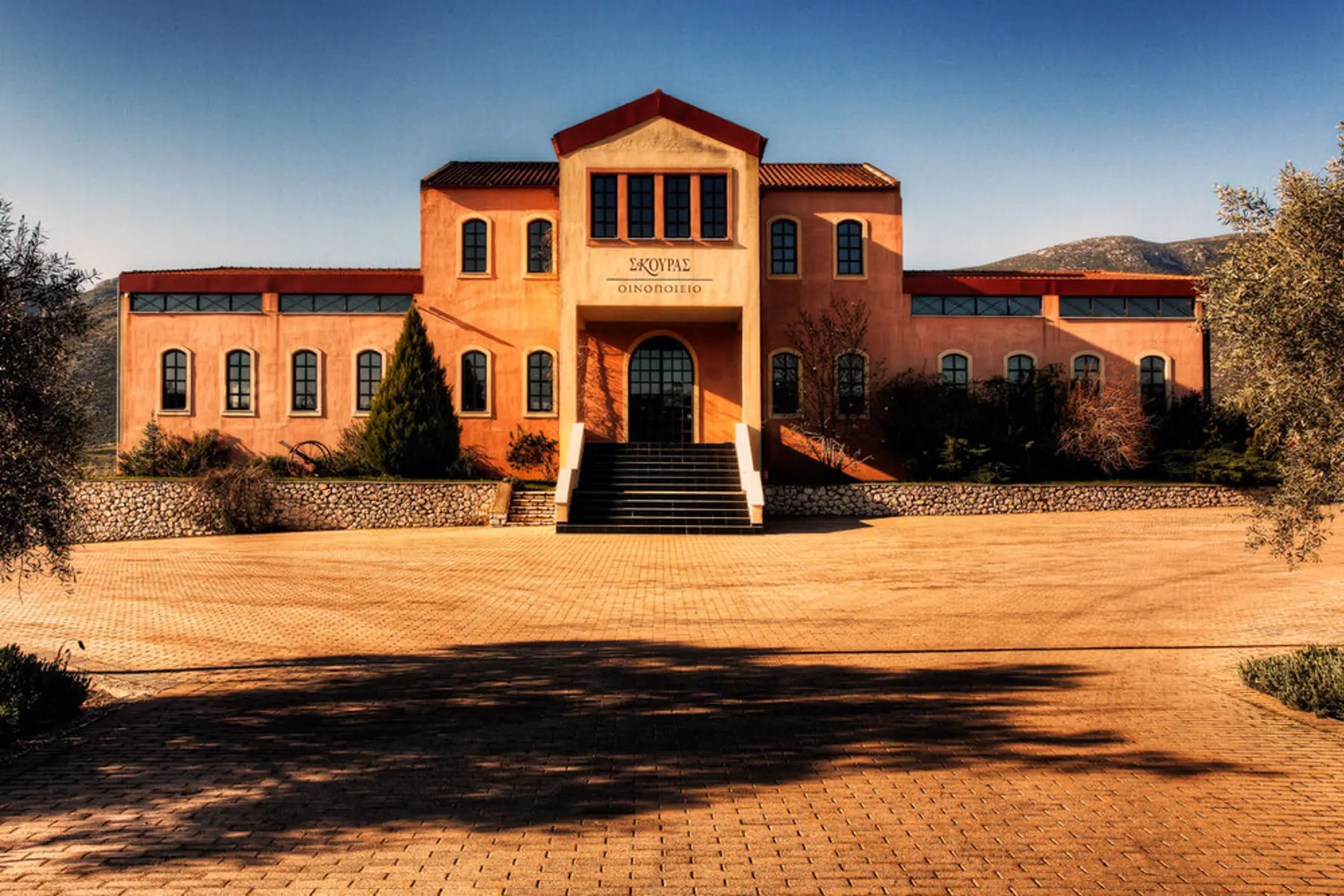
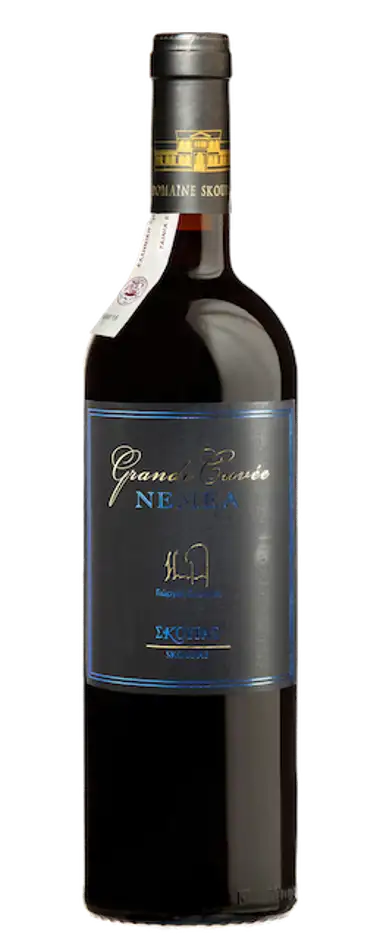
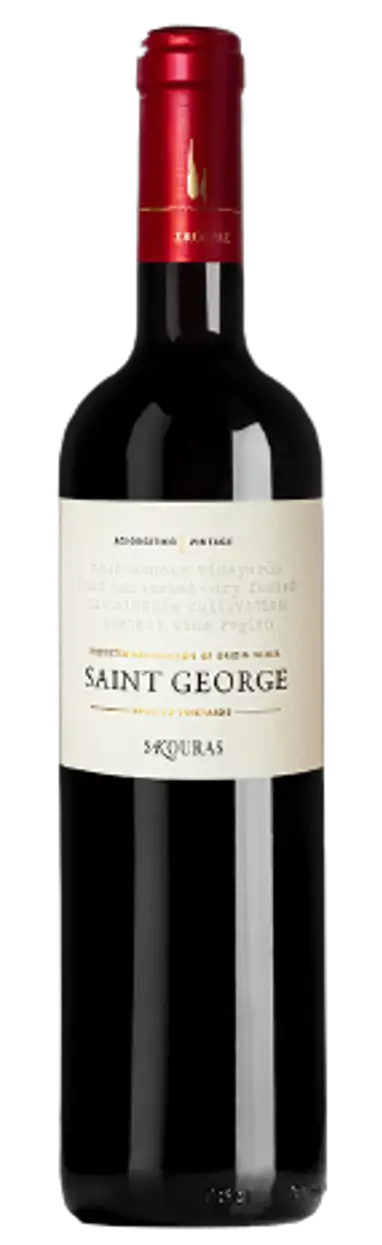
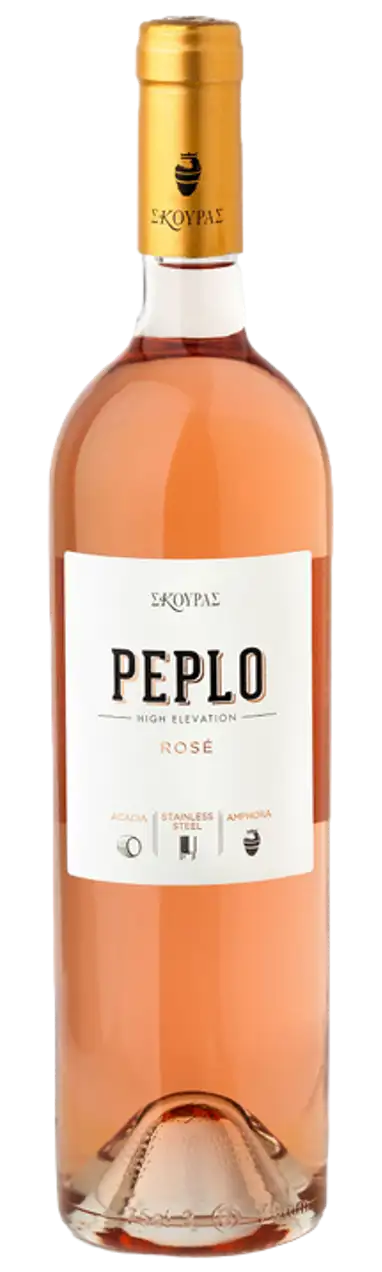
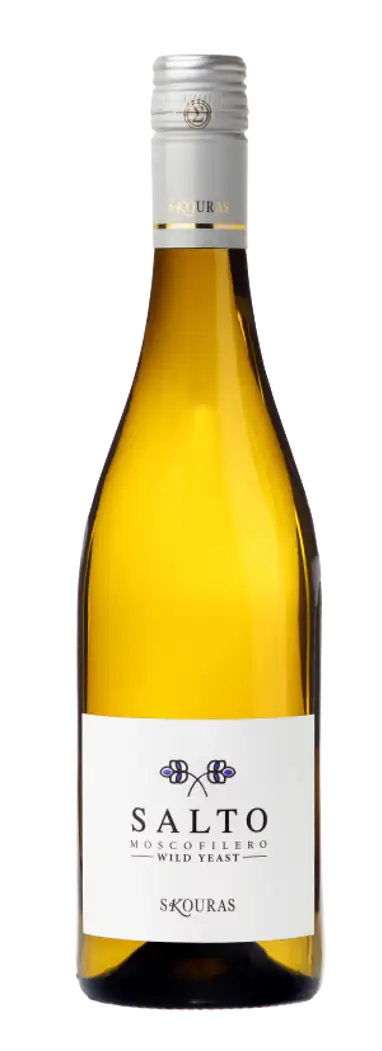

Domaine Skouras, St. George Agiorgitiko, Nemea
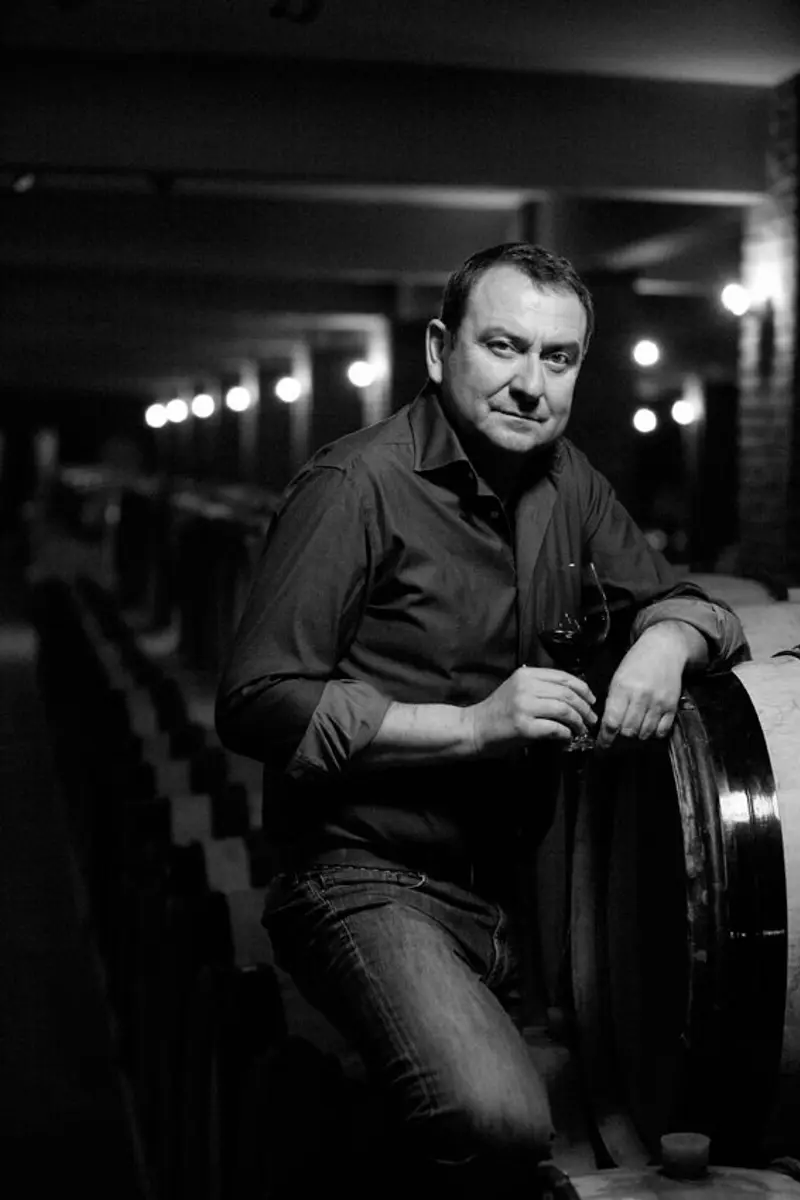
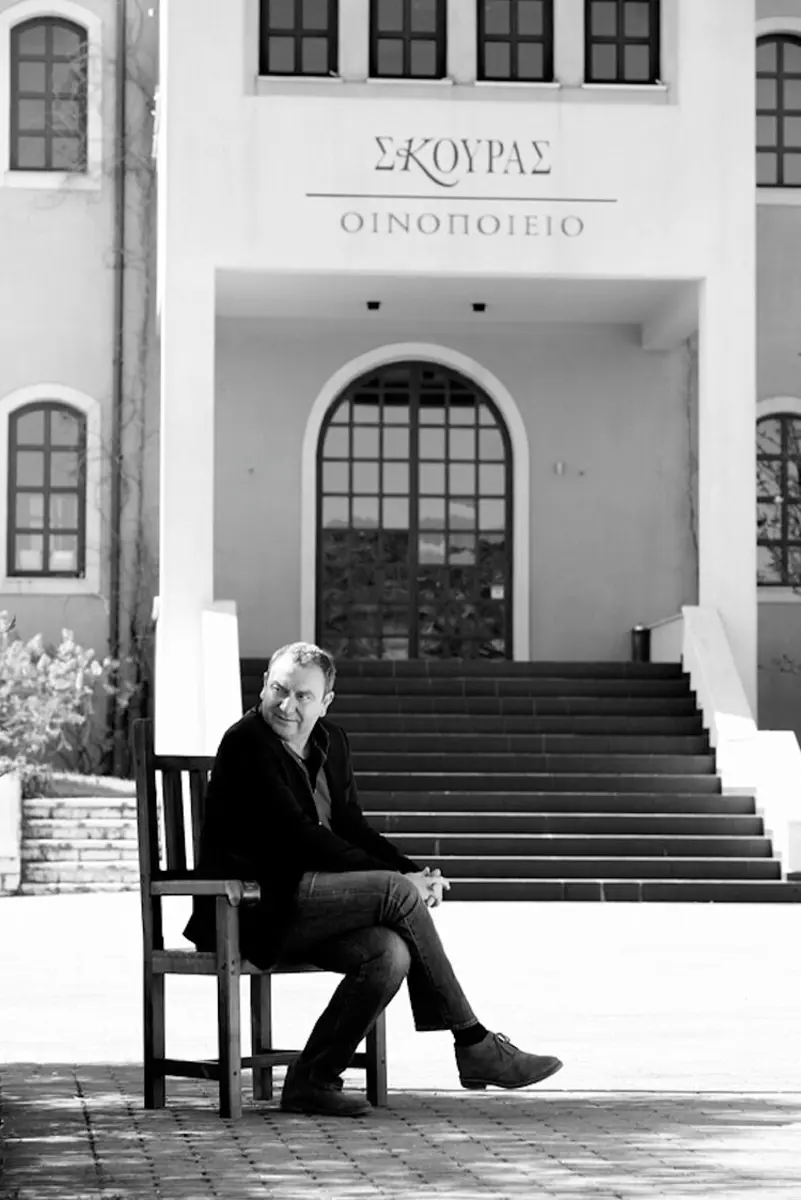
Few have played a more formative role in shaping the modern renaissance of Greek wine than George Skouras.
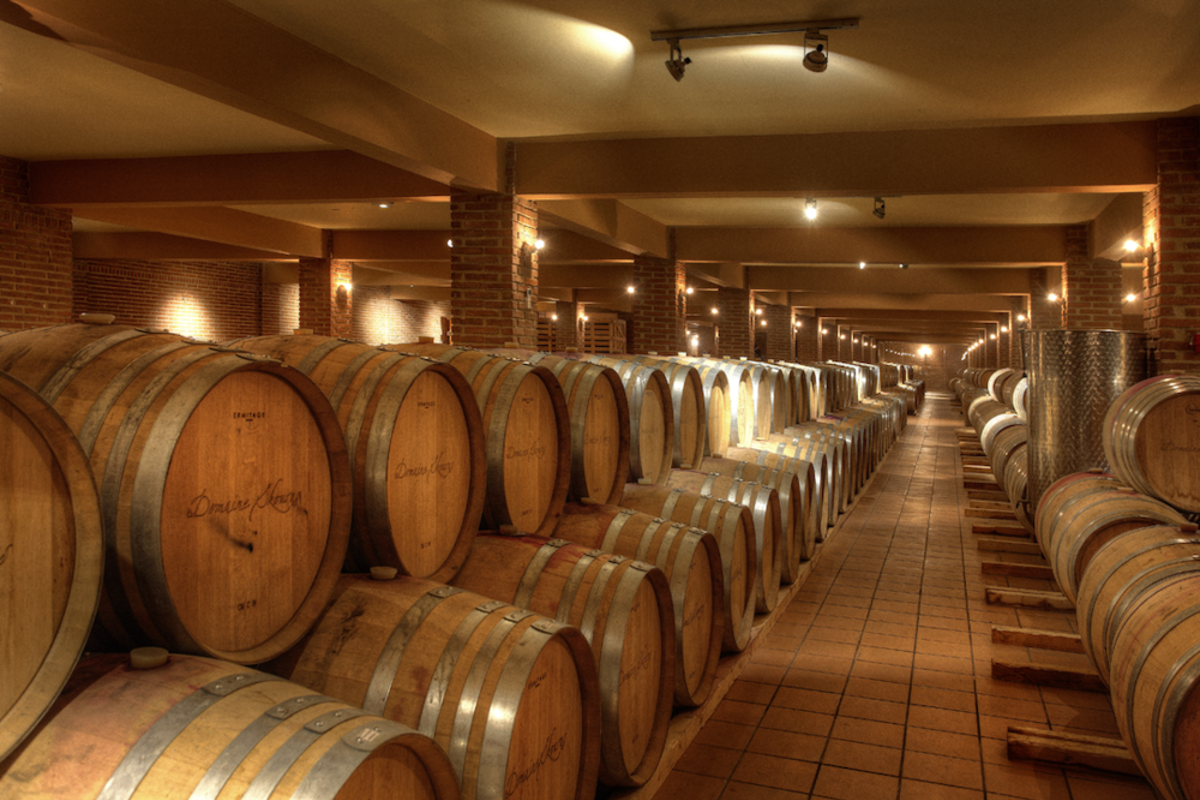
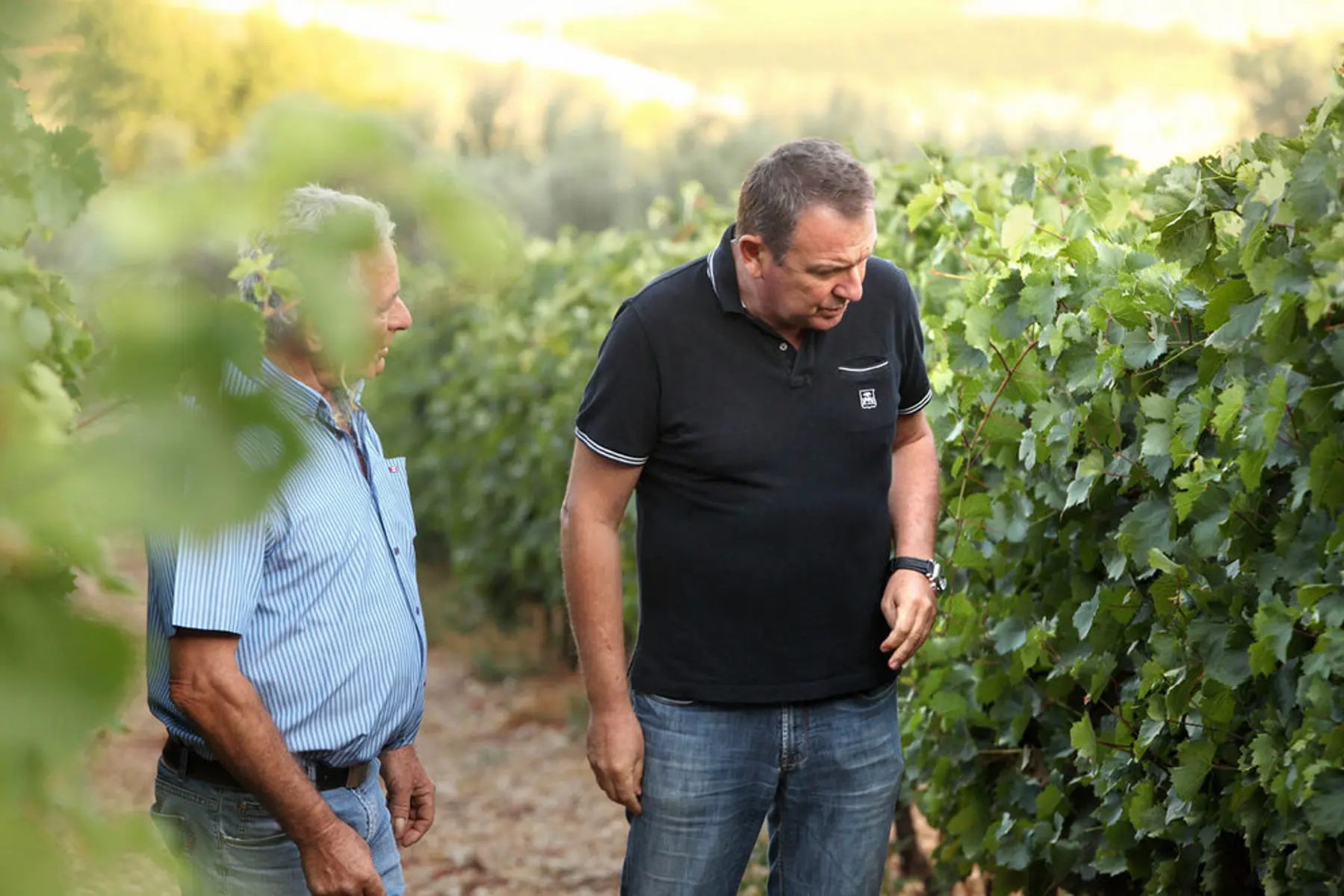
Few have played a more formative role in shaping the modern renaissance of Greek wine than George Skouras. When Skouras founded his winery in 1986, Greek wine was still emerging from a long period defined by bulk production and limited international visibility. After training in Burgundy, Skouras returned home with technical rigor, global perspective, and a conviction that Greece's indigenous varieties could stand confidently on the world stage, something that he has proved definitively over and over during his storied career.
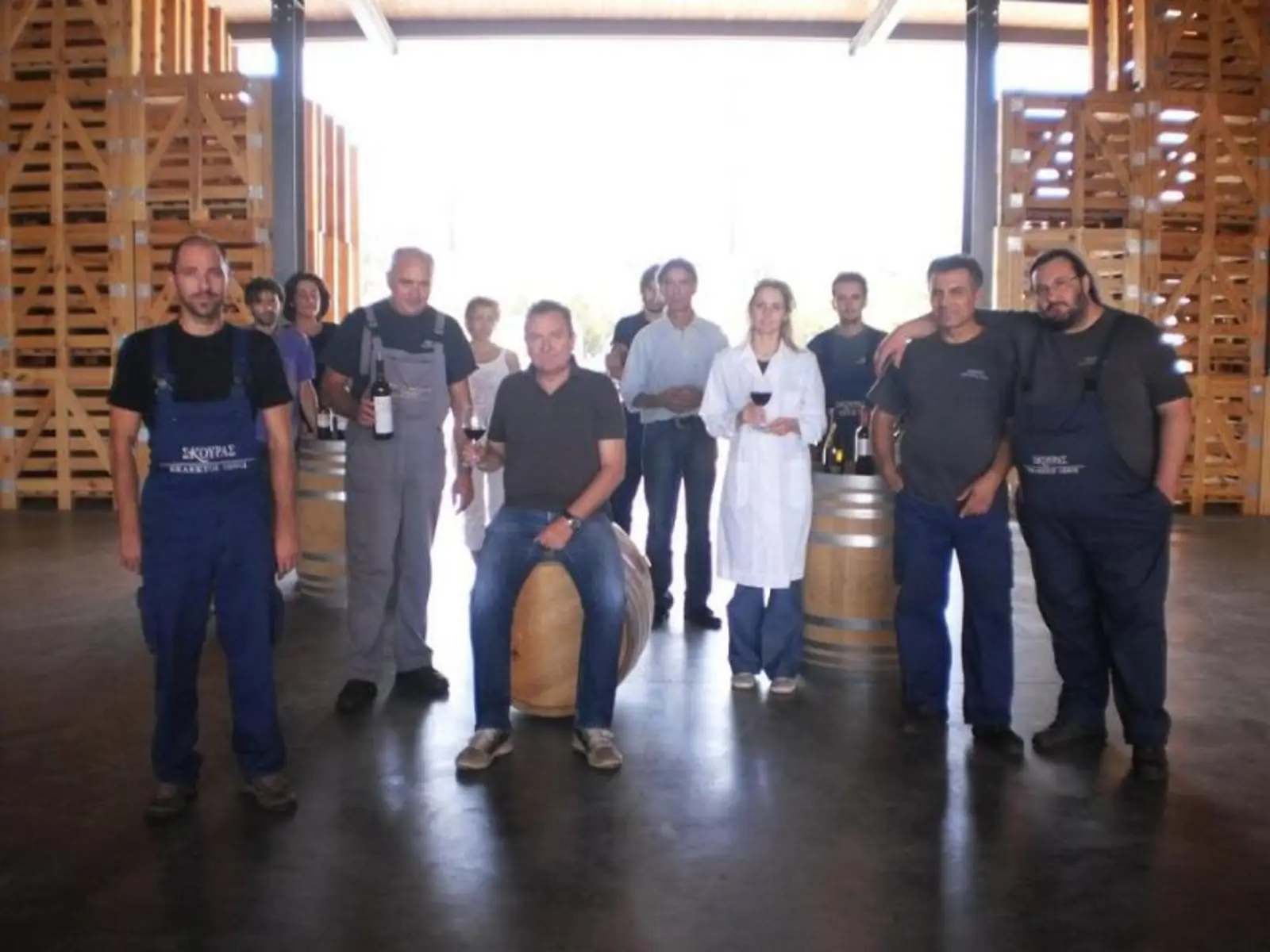
However, his impact on his native country has gone far beyond his production of renowned wines. Skouras would also become a mentor, connector, and evangelist. He readily shared his knowledge, always encouraged younger producers, and created a collaborative, open culture that made it easy for visitors, exporters, and media to access Greek wine. For Skouras, exporting his wine was central to the mission. He understood early that it was only through engagement with international markets, expectations, and standards that Greek wine would earn recognition.
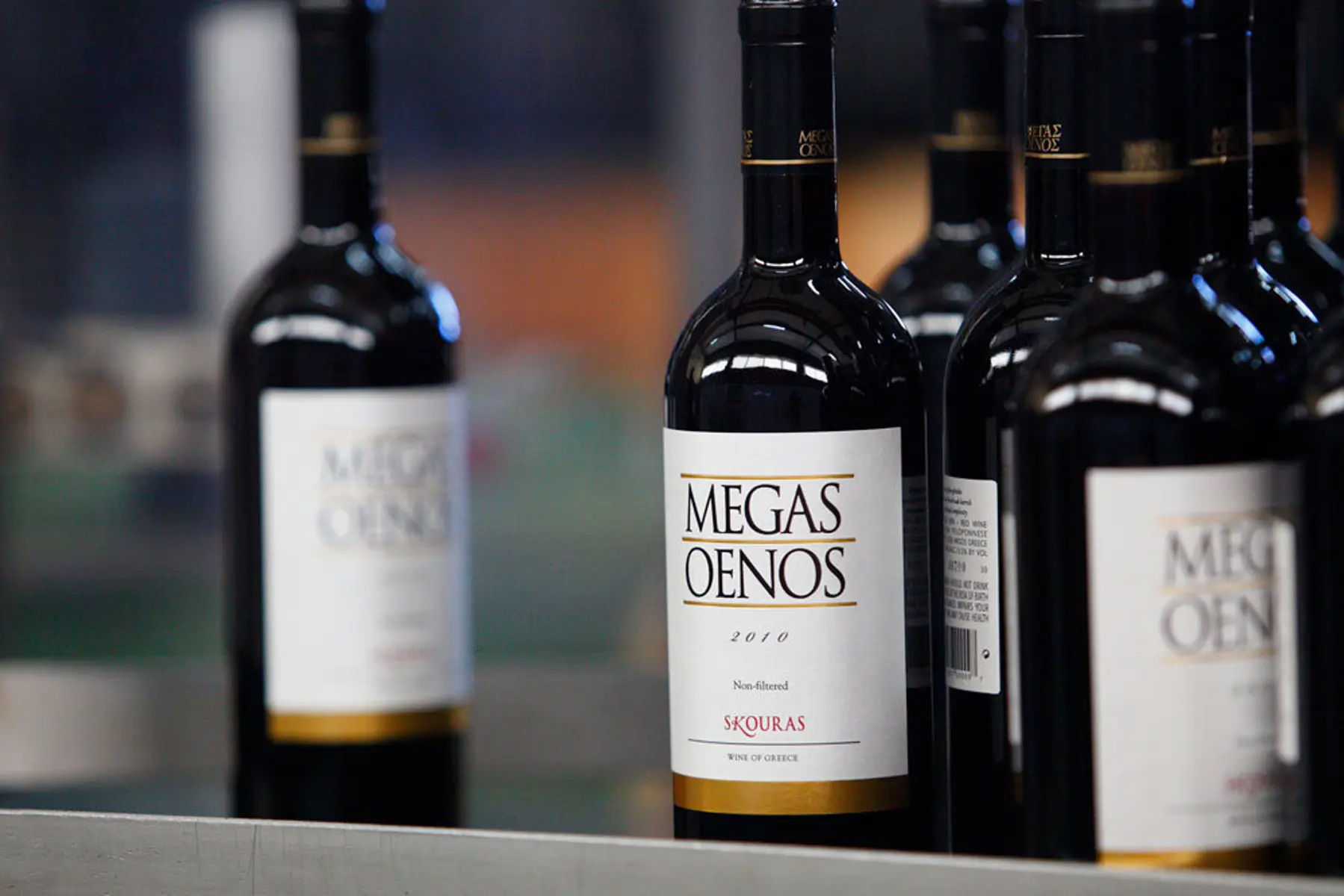
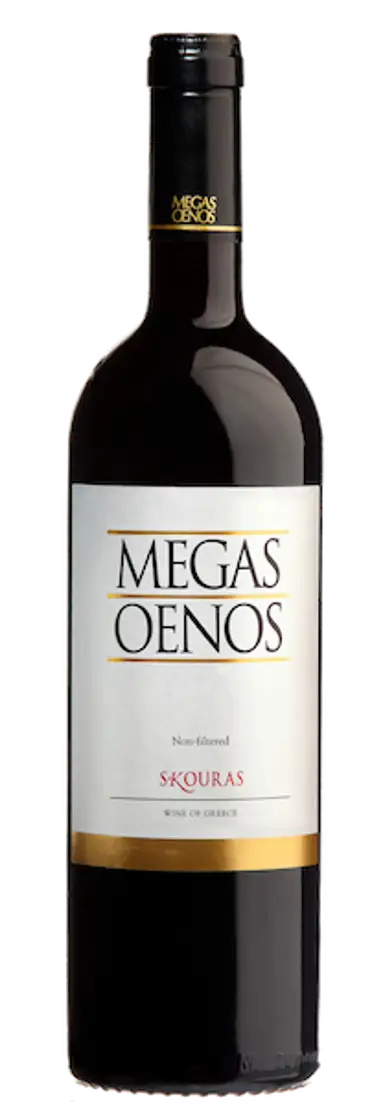
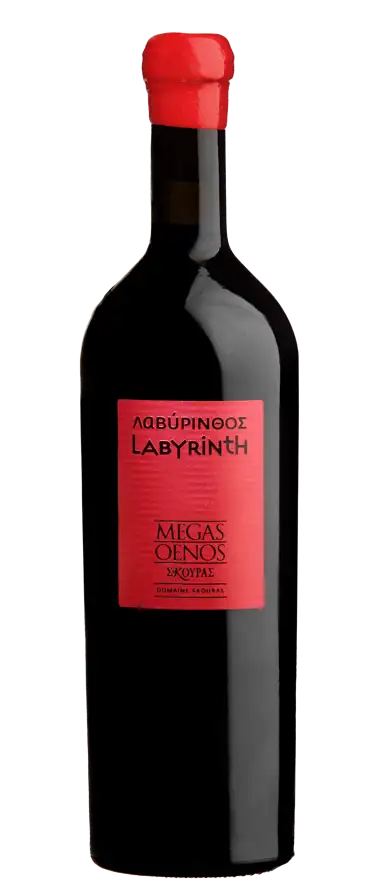
Skouras was also strategic about how Greece would be introduced to the world. At a time when few consumers outside the country could pronounce, or even recognize, native grapes, he made ambitious decisions that balanced legibility with authenticity. His flagship Megas Oenos, a blend of Agiorgitiko and Cabernet Sauvignon, became a watershed wine, opening doors internationally and proving that Greek terroir could deliver depth, structure, and longevity on par with the world's best.
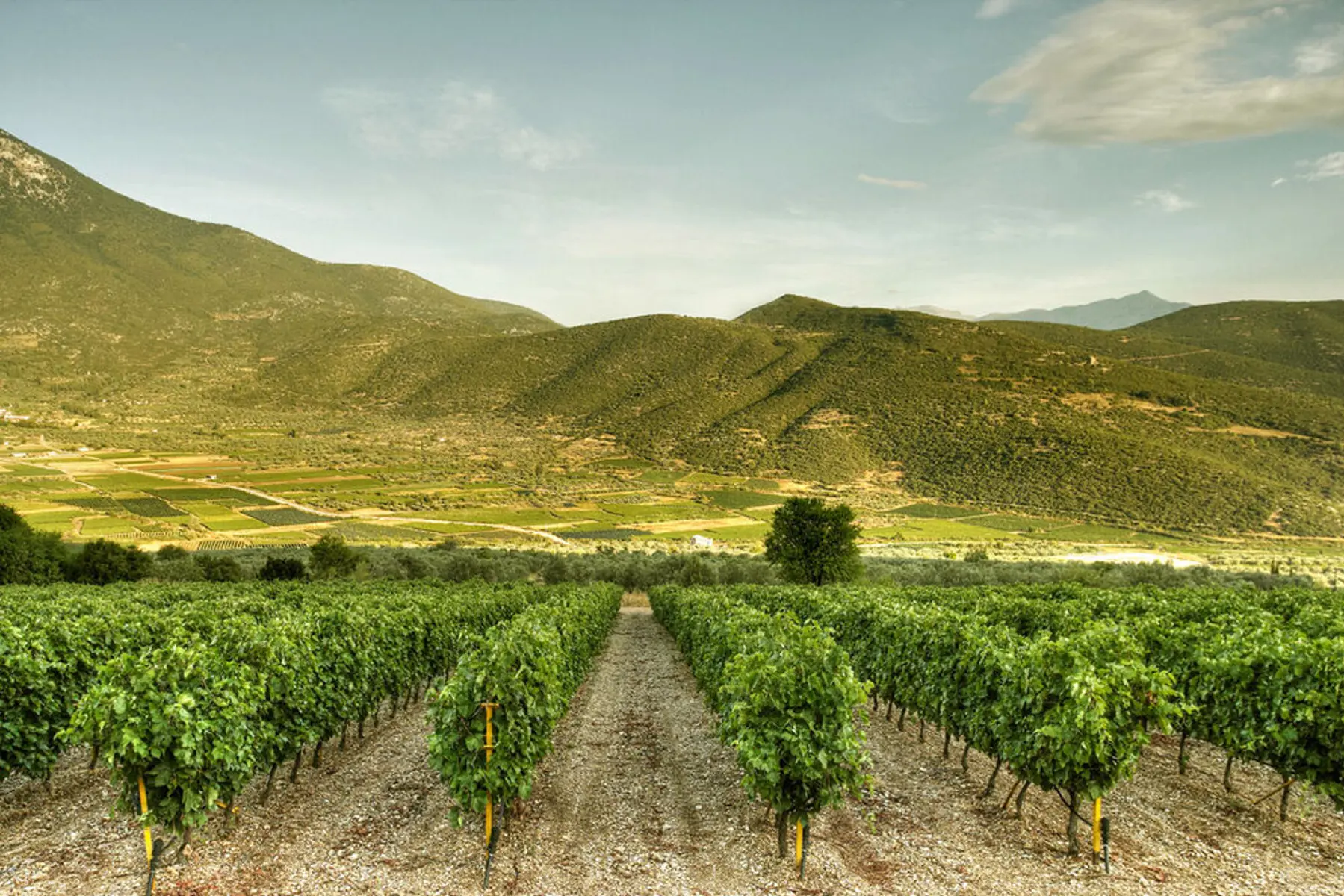
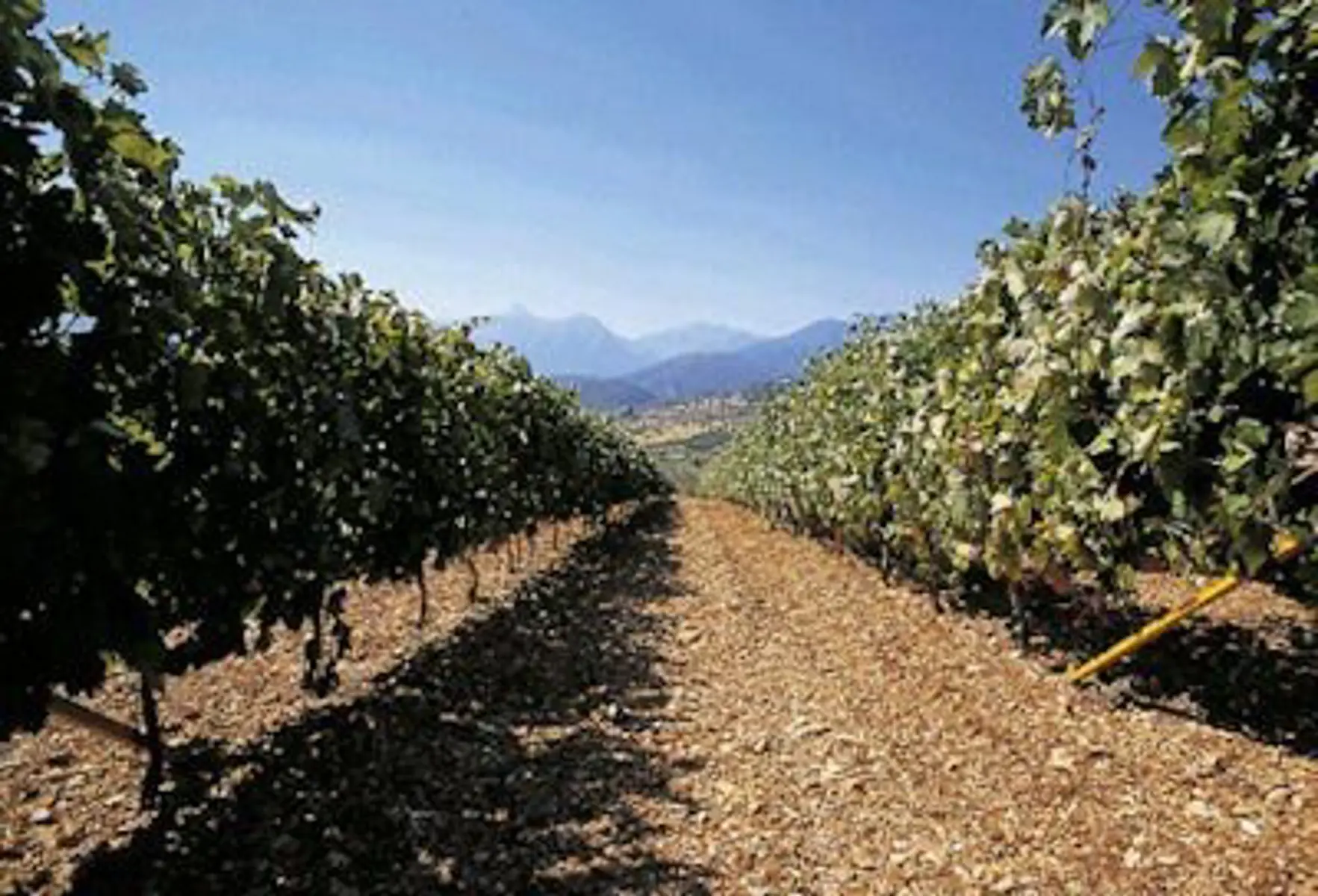
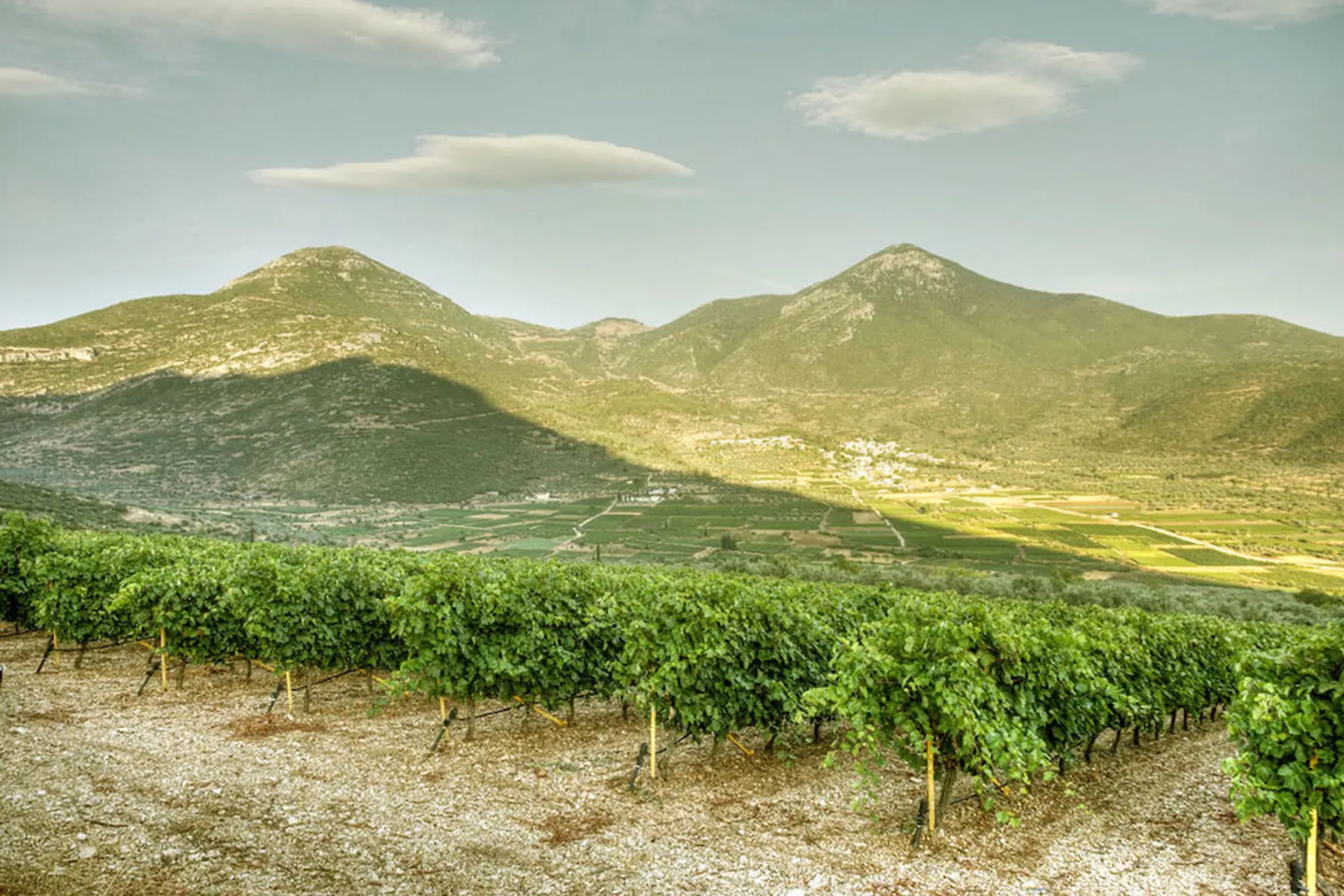
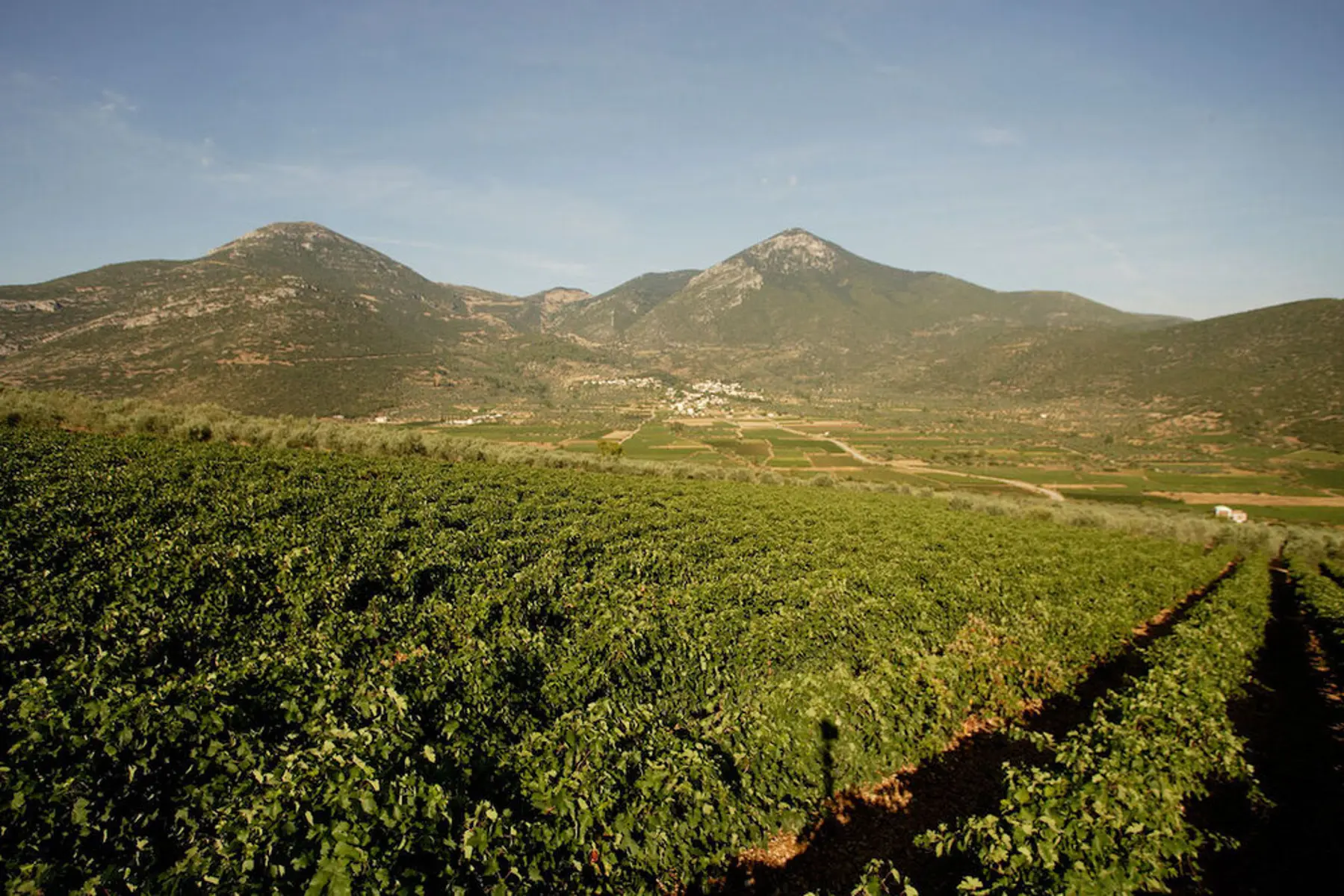
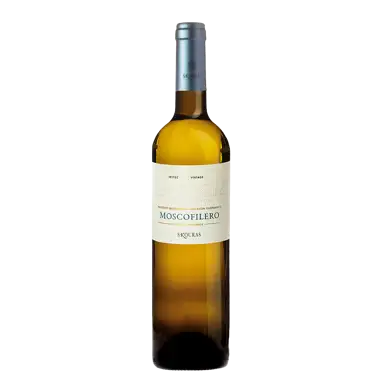
Guided by a pursuit of varietal clarity, Skouras prefers high elevation vineyards for how they impact the fruit. His Moscofilero comes from the Mantinia region, which is a high elevation valley within the Peloponnese where the vineyards are planted on alluvial soils. Mantinia's elevation provides a reprieve from the heat, making it one of the coolest climate growing regions in Greece, allowing for the grapes to mature slowly, developing complex aromatics and natural high acidity.
At the heart of Skouras' work lies Agiorgitiko, the great red grape of Nemea. Its name comes from Agios Giorgos and translates to Saint George (though many in Greek wine might argue that George Skouras himself has earned that title). Skouras chose to foreground that translation rather than the grape's often intimidating name, not to obscure its identity but to invite people in. Traditionally versatile and widely planted, Agiorgitiko can be shaped into many styles, from simple and generous to dense and powerful. That flexibility, however, also makes it easy to overwork.
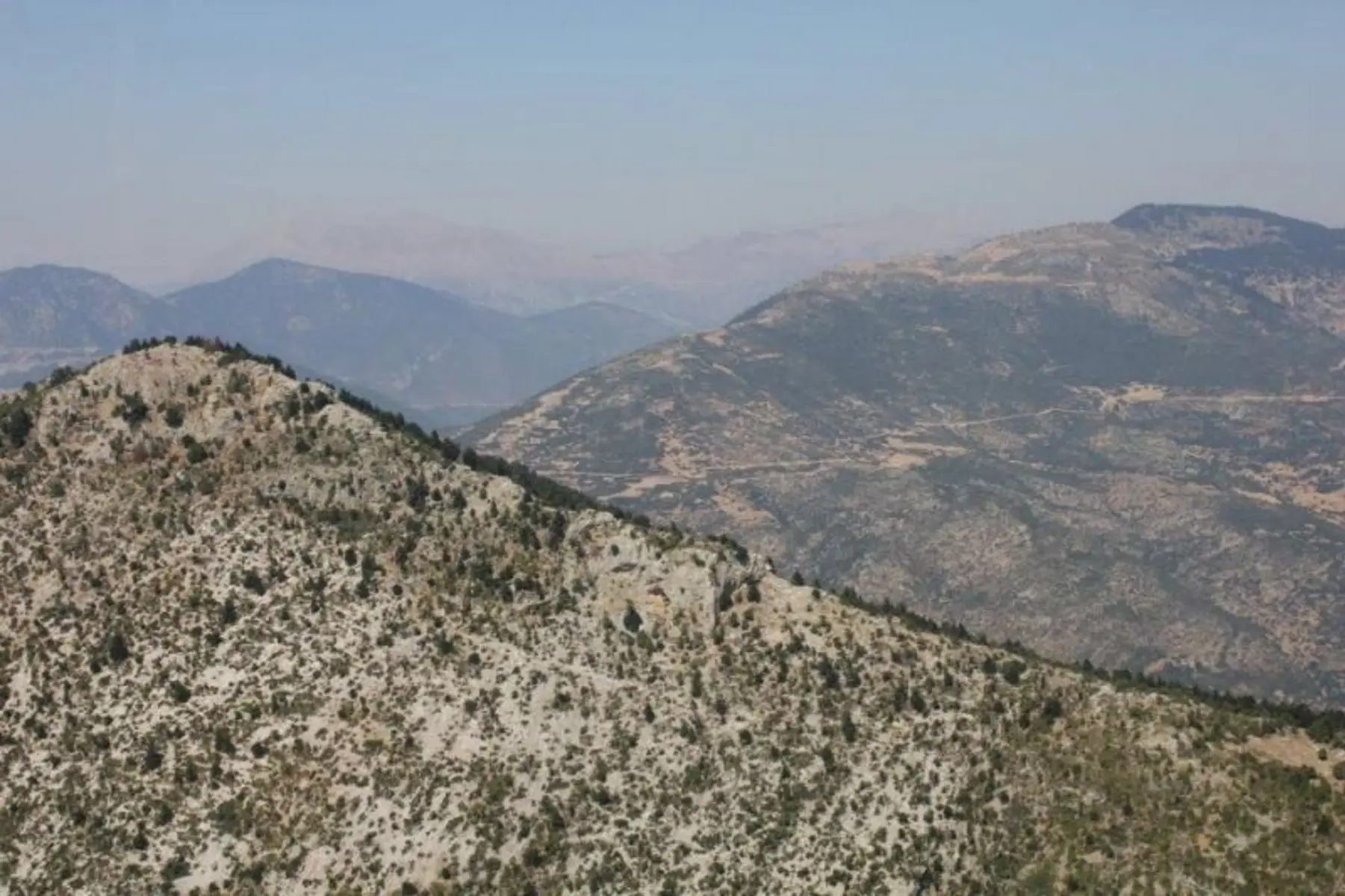
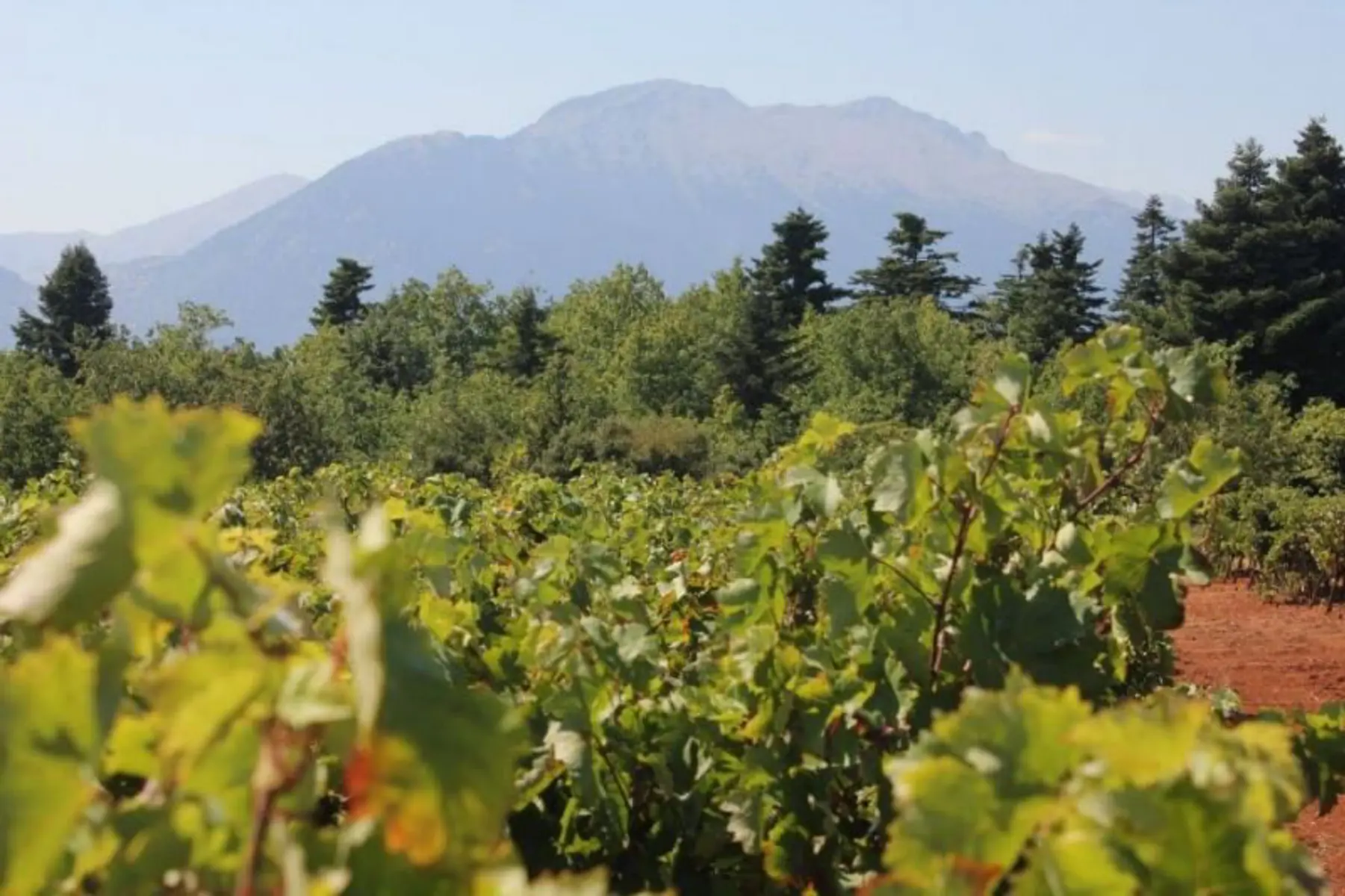
Skouras' breakthroughs with Agiorgitiko came via site, altitude, and technique. By planting vineyards progressively higher - including possibly the highest red-wine sites in Europe, reaching up to 3400 feet - he discovered a cooler, wind-swept expression of the variety, which had long been seen as temperamental and difficult. By methodically and ambitiously exploring the diversity of Nemea's terroir, he found that elevation and wind could slow ripening, preserve acidity, thicken skins, and bring natural balance. Limiting yields and skillful handling in the cellar, including techniques he learned in Burgundy, completed the picture.
Today, Domaine Skouras is a standard-bearing winery: a connector between Greece and the wider world, between tradition and modernity, between ambition and everyday pleasure. Skouras' legacy is not only in the wines he makes, but in the culture of confidence, generosity, and collaboration he fostered - one that continues to shape Greek wine's future.
Visit their website.